


Earwax Management in Tucson, AZ
What To Do About Earwax (Cerumen)
Do you have a sudden loss of hearing or ringing in your ears? Do you feel a heaviness in your ears or notice a wax build-up? You may have earwax compacted and pressed against your eardrum, causing these issues. That’s why sometimes treating hearing loss is as simple as removing ear wax.
Earwax (cerumen), that yellowy brownish waxy substance secreted in your ear canal, is there for a reason. Its purpose is to clean and protect the sensitive skin of your ear canal and keep it free from debris, bacteria, and water. When excess wax is present, it will typically flow out of the canal and into the ear opening, where it is washed away.
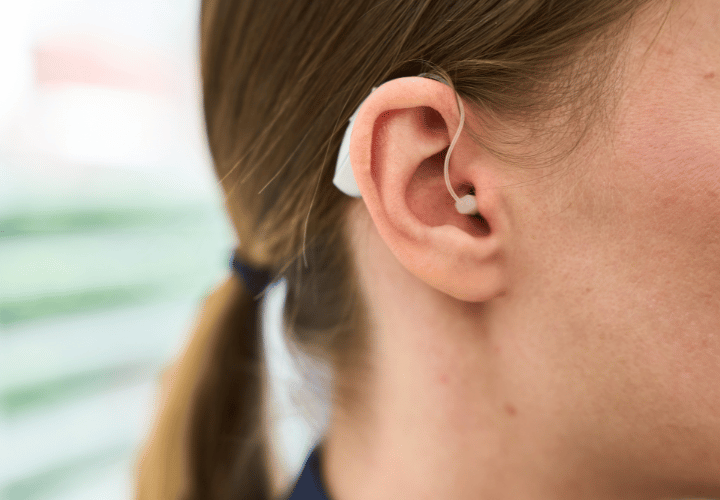
Earwax is protective
It cleans your ear canal and keeps out debris, bacteria, and water — until there's too much.
Blockages are common
Cotton swabs and earbuds often push wax deeper instead of removing it.
Relief is quick
Our painless in-office treatment restores clear hearing right away.
Why your ears make wax in the first place
Your glands can make things worse by creating more earwax than is necessary. This has the potential to get hard and block the ear. In spite of your best efforts to clean it out, you may accidentally push the wax deeper, which can cause a blockage. This simple wax buildup is a frequent reason for temporary hearing loss.
Attempting to remove earwax build-up yourself should be done with caution. If a gentle approach to earwax management doesn’t seem to do the job, schedule an appointment with our experts here at El Dorado Hearing. We’ll get you in as soon as possible and use a painless treatment to help restore your hearing.
What actually causes an earwax blockage
Having extra earwax doesn’t automatically mean you’ll end up with a blockage — it’s usually one of two habits that causes the trouble.
Cleaning too aggressively
Typically, the cause of an earwax blockage is being too aggressive with attempts to remove wax yourself. Instead of pulling it out, the wax gets clumped together and pushed deeper into the ear canal.
Everyday headphone use
The widespread use of headphones plays a role too. Earbuds that enter the ear canal opening can prevent earwax from coming out naturally, resulting in a buildup and eventual blockage.
What actually causes an earwax blockage
Having extra earwax doesn’t automatically mean you’ll end up with a blockage — it’s usually one of two habits that causes the trouble.
Common signs of buildup
- You have an earache
- Partial hearing loss that happens suddenly
- Tinnitus — a ringing, hissing, buzzing, roaring, or clicking noise in the ear
- Your ear feels full or heavy
Seek attention right away if you notice
- Moderate to severe ear pain that won't relent
- Drainage coming from your ear
- A persistent cough or fever
- Continued hearing loss
- A foul smell coming from your ear
- Balance issues and dizziness
Getting rid of excess earwax, safely
If you believe you have substantial buildup or impaction, we advise against tackling it at home — cotton swabs and tweezers can cause significant damage to your inner ear, an infection, or even loss of hearing. If the wax hasn’t built up to unsafe levels, here’s how our team approaches gentle at-home care first.
A hot shower
Glycerin
Hydrogen peroxide
Baby oil
Carbamide peroxide
Mineral oil

If drops don't work, irrigate the ear carefully
If you know you have an ear injury, do not irrigate. Otherwise, follow your over-the-counter kit’s directions, or these steps:
01
Hold your head upright
Keep your head in an upright position before you begin.
02
Gently pull your outer ear up
Grip the upper part of your outer ear and pull it upward gently to straighten the canal.
03
Guide in body-temperature water
With a non-hypodermic syringe, guide a gentle stream of body-temperature water into your ear.
04
Let it drain fully
Let excess water drain, then after a few seconds tip your head to allow the rest to drain out. Repeat as needed, and doing this routinely helps prevent future blockages
Ready to take the first step?
Schedule your hearing test today and get
clear answers from our hearing specialists.