


Protection Against Hearing Loss
How To Get Relief From Tinnitus
Tinnitus is often described as ringing, buzzing, humming, hissing, or other sounds in the ears or head when there is no external sound causing them. For some people, tinnitus may come and go, while others may experience it more consistently.
Tinnitus can affect people differently. Some individuals notice it only in quiet environments, while others may find that it becomes more noticeable during certain activities or at particular times of the day.
There are many possible factors associated with tinnitus, including hearing loss, exposure to loud sounds, ear-related conditions, certain medications, and other health factors. Because the underlying cause can vary, there is no single approach that works for everyone.
At El Dorado Hearing, we take an individualized approach to tinnitus care. A hearing evaluation can help us better understand your hearing health and discuss your symptoms. Based on your needs, we can then help determine whether additional evaluation, hearing technology, tinnitus management strategies, or other appropriate care may be beneficial.
Tinnitus Sound Therapy
Tinnitus sound therapy uses carefully selected sounds to help make tinnitus less noticeable and support the brain’s ability to adapt to the perception of tinnitus.
Sound therapy may be used as part of an individualized tinnitus management plan. The type of sound, listening schedule, and approach can vary depending on your symptoms, hearing profile, and personal needs.
Your hearing professional can help determine whether sound therapy may be appropriate for you and recommend an approach based on your individual situation.
Tinnitus Retraining Therapy
Tinnitus Retraining Therapy (TRT) is an individualized approach that combines sound therapy with education and counseling. The goal is to help you better understand tinnitus and reduce the attention and emotional response you may have toward the sounds you experience.
TRT may involve customized sound therapy along with guidance designed to help your brain gradually become less focused on tinnitus. The approach is tailored to the individual’s hearing profile, symptoms, and needs.
Your hearing professional can discuss whether TRT may be appropriate for you as part of a comprehensive tinnitus management plan.
Sound Therapy
Tinnitus sound therapy uses a process known as habituation to retrain the way the brain interprets tinnitus. Essentially, the brain learns to reclassify the unwanted sound as something neutral or unimportant.
Sound therapy helps a person “forget” about the sound. That might sound tricky, but your brain already does it all the time.
After a time, the tinnitus becomes associated with this sound. It becomes constant and something you no longer pay attention to.
Sound Generators
Sound generators are devices that produce gentle, adjustable sounds that can help make tinnitus less noticeable. They may produce sounds such as white noise, soft tones, nature sounds, or other customized sounds.
Sound generators may be used during quiet activities, at work, while relaxing, or when preparing for sleep. The appropriate sound and volume depend on each individual’s symptoms and hearing needs.
Your hearing professional can help determine whether a sound generator may be useful and guide you in selecting an appropriate sound and listening level.
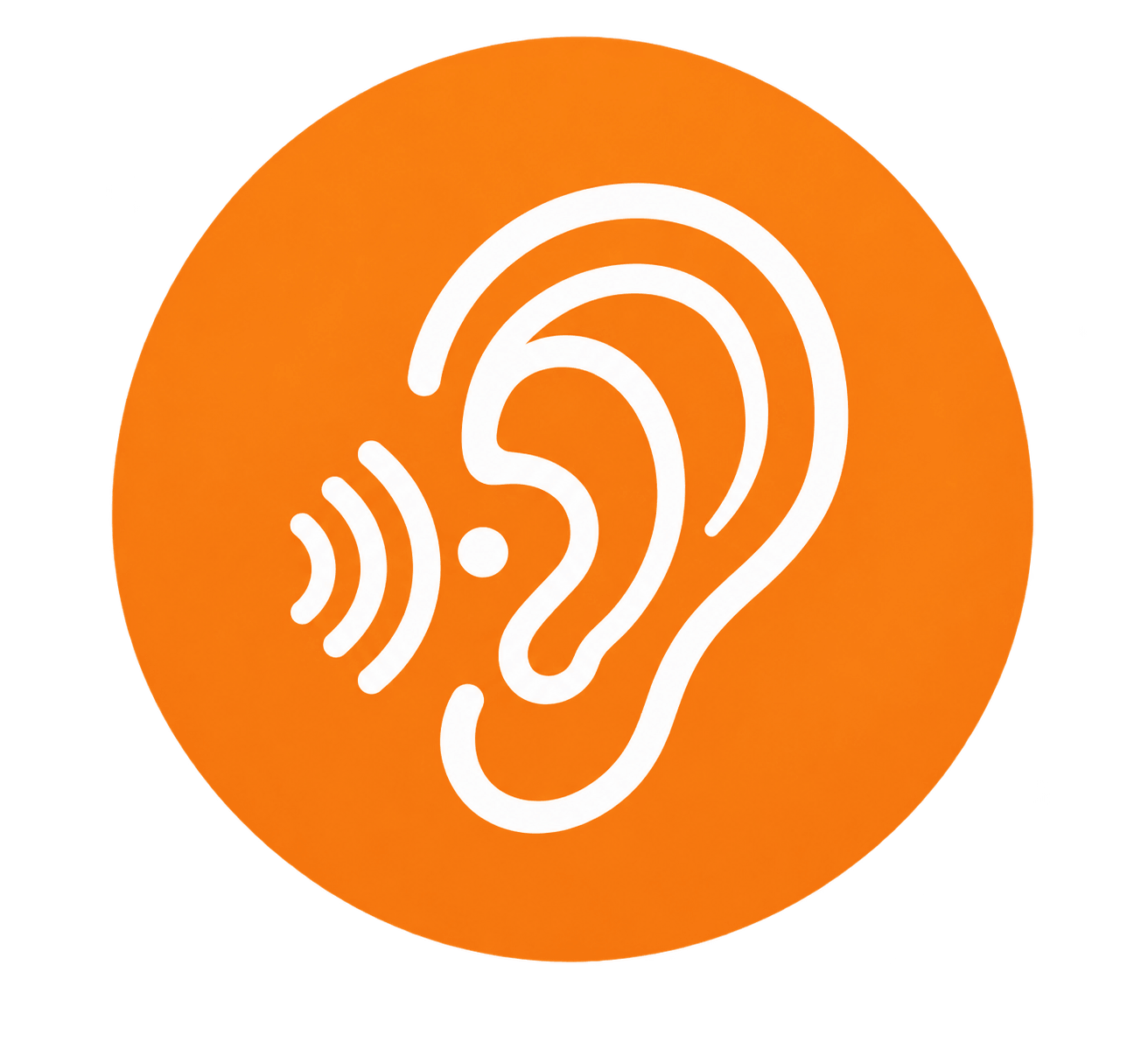
Daily Wear Hearing Aids
Daily wear hearing aids are designed to be worn throughout the day and can help improve access to everyday sounds and speech for people with hearing loss. For some individuals with tinnitus and hearing loss, hearing aids may also make tinnitus less noticeable by improving access to surrounding sounds.
Hearing aids are available in a variety of styles and technology levels. Your hearing evaluation can help determine whether hearing aids may be appropriate for your hearing and tinnitus needs.
Extended Wear Hearing Aids
An extended wear hearing aid is a device inserted into your ear canal by a specially trained Hearing Clinician, remaining in position 24/7 for up to three months at a time.
Once in the ear, an extended wear hearing aid doesn’t require battery changing or cleaning. Extended wear hearing aids can only be fit by a hearing professional with specialized training. A significant advantage of extended wear hearing aids is protection against tinnitus at night – the time of day most people are troubled by the affliction.
Counseling and Tinnitus Education Programs
Learning more about tinnitus can be an important part of managing it. Tinnitus education and counseling can help you understand your symptoms, identify situations that may make tinnitus more noticeable, and develop practical strategies for managing its impact.
- What tinnitus is and how it affects people.
- People affected by tinnitus.
- How to manage your tinnitus and control tinnitus symptoms.
- Learn what is typical with tinnitus and what signs are not.
- Brain retraining techniques
Medication
There is no single medication that works for everyone with tinnitus. In some situations, medications may be used to address an underlying condition or symptoms that may occur alongside tinnitus.
If you are taking medications and have questions about whether they may be affecting your tinnitus, talk with your physician or other qualified healthcare provider. Do not stop or change a prescribed medication without medical guidance.
Our team can also discuss your hearing and tinnitus symptoms and help determine whether additional medical evaluation may be appropriate.
Ready to take the first step?
Schedule your hearing test today and get
clear answers from our hearing specialists.