
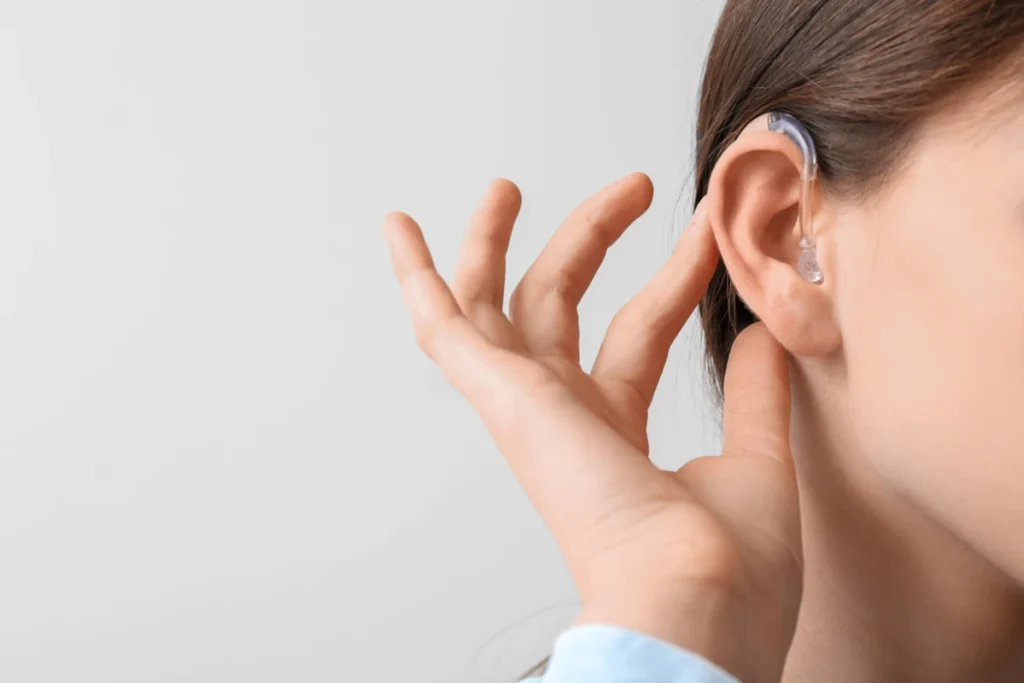
Hearing aids work wonders to restore some hearing for people with hearing issues. While they can’t fully restore a person’s hearing capabilities, they can help them reconnect with the world around them.
These hearing devices have also improved over the years. Modern appliances, now equipped with advanced technologies, address different types and degrees of hearing loss. Other features may include dual microphones and sensors. These improve sound quality in noisy environments while also reducing background noise.
But before you start choosing one, you must first understand the differences. This is your guide to choosing the right solution for your hearing needs.
Understanding Different Styles of Hearing Aids
Unsurprisingly, there are different shapes and styles of hearing aids. Each has unique features and benefits, and they look different from one another. Consult with a hearing professional or audiologist for the most appropriate hearing aid style. Hearing experts can also guide you on effective usage, reasonable pricing, and suitable brands.
Behind-the-Ear Style
People with severe hearing loss may find this style of hearing aid particularly advantageous. BTEs provide more sound amplification and power.
BTEs rest comfortably behind your ear. They’re connected to an earmold or a dome within your ear canal. BTE hearing aids are versatile and capable of addressing different levels of hearing loss.
In-the-Ear Style
If a larger hearing aid doesn’t worry you, ITE is the style for you. ITEs are made to fit snugly inside the ear. However, they’re usually larger than some other styles. Although this makes them easier for people with dexterity issues to handle, the size may initially make the wearer self-conscious.
However, there are two variations of ITEs. A half-shell ITE hearing device is smaller and more discreet. In comparison, a full-shell ITE fills the entire ear bowl.
In-the-Canal/Completely-in-the-Canal Styles
ITC and CIC hearing aids are smaller and less visible than the previous two options. ITCs are usually custom-made to fit partially in the ear canal. Meanwhile, CIC devices go even deeper, making them almost invisible.
However, they are most suitable for people with mild to moderate hearing loss. The most significant benefit of these devices is mainly cosmetic. The discretion they provide can also be convenient.
Receiver-in-Canal/Receiver-in-the-Ear Styles
Similar to BTEs, RIC and RITE hearing aids have a slight difference in design. Their receiver is located in a small dome or speaker inside the ear canal, whereas BTE devices have the receiver in the main body.
Those with high-frequency hearing loss may appreciate this design. Its structure allows for a more natural sound experience.
Invisible-in-Canal Style
IICs are highly inconspicuous because they fit deep inside the ear canal. IIC devices are custom-made to fit the wearer’s ear shape and offer a high level of discretion.
However, their small size may be a problem for some people. Despite some models providing a small wire to help insert or remove them, their size is not convenient for everyone. Also, some IICs have lower battery capacity due to their small batteries, potentially requiring more frequent charging.
Newer Styles: Open Fit and Extended Wear
Open Fit
Open-fit hearing aids are relatively new. Like a cousin to BTEs, open-fit hearing devices fit behind the ear. However, their sound amplification comes through a small tube inserted into the ear canal.
They’re considered an improvement on traditional BTE designs. Being smaller and less noticeable, they’re ideal for people looking for discreet hearing devices.
Extended Wear
Extended-wear devices are also among the newer styles of hearing solutions. They address issues many users find unpleasant with hearing aids, including battery life and conspicuous designs.
This type of hearing aid is intended for people with various levels of hearing loss, except those with profound hearing loss. Users can wear it discreetly, deep in the ear canal, for extended periods. The battery life may extend over four months, depending on the device.
Choosing the Right One
You can choose the most appropriate hearing aid with the help of audiology services. But you can start your selection by narrowing down your goals and preferences.
- Consider how your hearing loss affects your daily life. Think about the situations where you struggle the most. For example, is your challenge understanding speech in noisy environments or hearing soft sounds?
- Set your hearing goals. It’s all about your end goal: what would you like to achieve with your device? You may want to improve communication. Or perhaps you care more about being discreet. If you set clear goals, you can focus on choosing the most suitable solution.
- Reflect on your lifestyle. If you spend hours in busy workplaces or crowded settings, you may want a device that reduces background noise. If you work with others, you should look at devices that enhance speech clarity and cancel out unwanted sounds.
- Consider your preferences. Your comfort comes first. A hearing aid won’t be helpful unless you can wear it comfortably. What also matters is how easy it is to use and how inconspicuous it is.
- Purchase within your budget. You may want the best, but comparing hearing aid prices is wiser. Set a budget for your hearing aid. High-quality hearing devices may come with a heftier price tag, but they may be worth it. Research various hearing aid manufacturers and models. Also, look for coverage policies or programs that can assist you financially and offset the cost.
After-Purchase Adjustments
If you’re new to wearing hearing aids, you may need an adjustment period. Read some of these valuable tips to ease the transition.
- Start in a quiet place. When you first start wearing the device, choose a quiet place to begin. The quietness will help you get used to the sounds without being overwhelmed. As you gain confidence, introduce more complex listening situations.
- Increase usage time gradually. Start by wearing your hearing aid for short periods. Then, increase the duration little by little. This allows your ears and brain to adapt slowly to amplified sounds. With time, your brain will learn to process the sounds better.
- Do listening exercises. Practicing listening will help improve your hearing experience with the device. Start by listening to simple conversations and familiar voices. Then, move on to more challenging listening situations. This practice will also allow you to understand which settings, such as volume control, work most effectively for you.
- Take care of your hearing aid. Proper maintenance of your hearing aid will make it last longer. Clean it regularly and change batteries as needed. Lastly, store it safely in a dry place when not in use.
- Continue to talk to your audiologist. Stay in touch with your hearing expert or audiologist. They can help you through the adaptation process. If necessary, they can also adjust your device’s settings. Regular check-up visits will be crucial in maintaining your hearing health and hearing aid function.
Hearing Aids 101: Finding the Fit
People with hearing loss can enjoy a high quality of life with the help of a hearing aid. The wide variety of hearing aids, from BTEs to newer models, helps accommodate different types of hearing loss and individual needs.
Take a hearing quiz today to see if you may benefit from a hearing aid. Consult with a hearing aid specialist if you have trouble choosing one.