
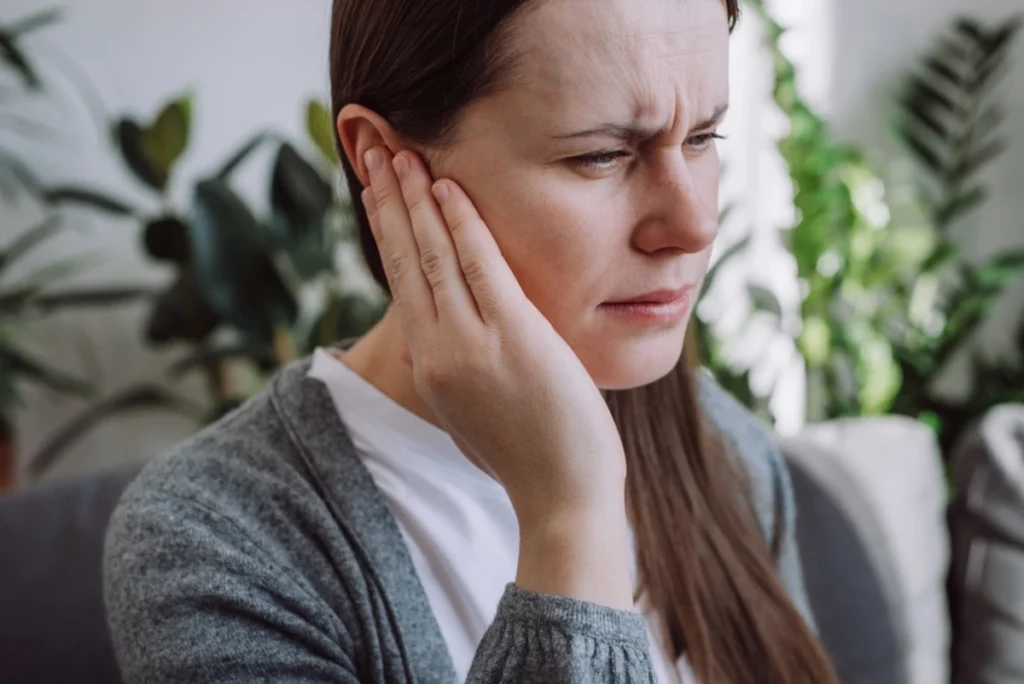
Do you hear a constant ringing in one or both of your ears? Perhaps the sound, which can be annoying and utterly debilitating at worst, is starting to affect your overall quality of life.
A lack of focus, changes in sleeping patterns, and even pain are just some of the side effects associated with tinnitus, causing knock-on issues for your health and general well-being.
To understand more about tinnitus, which affects 25% of the US population, here is a brief guide to the possible causes of the condition, its symptoms, and what you can do to manage it better.
What Causes Tinnitus?
Tinnitus occurs when you hear a persistent sound that does not come from an external source. Sometimes, it presents as a ringing sound; at other times, it may sound like buzzing or roaring.
While doctors and scientists have yet to determine the exact cause of tinnitus, a few factors have been linked to the condition in recent research. These include:
- Exposure to excessive noise levels on a regular basis
- Hearing loss, such as presbycusis
- Side effects of particular prescription medications, including anti-inflammatory drugs and antibiotics
- Earwax or fluid buildup in the ear canal
- Serious injuries sustained to the head or neck area
Tinnitus can affect young and old alike, so it’s important to seek medical advice or take a hearing test if you suspect you may have the condition.
Types of Tinnitus
There are two main types of tinnitus: subjective and objective.
Subjective tinnitus results in you hearing a sound that isn’t actually there, often due to changes in the auditory system.
On the other hand, objective tinnitus occurs near the middle ear and is usually the result of a physiological process, such as a muscle spasm. In this case, the sound comes from a physical source within the body, making it different from the phantom sound experienced by those with subjective tinnitus.
There is no definitive cure for subjective tinnitus yet, but treatment options are available to help manage both types of tinnitus.
How to Tell If You Have Tinnitus
There are a number of symptoms that could point to tinnitus. If you experience any of these symptoms, we recommend seeking advice from a hearing specialist so that you can learn how to manage your condition better.
Symptoms of tinnitus include:
- Ringing, buzzing, whirring, or any persistent sound that only you can hear
- The presence of pain in one or both ears
- Increasing bouts of dizziness that can’t be explained otherwise
- A feeling that your head is heavy or full
Tinnitus, as a condition, varies in severity. Some people experience the noise as very loud and obtrusive, while others hear the phantom sound very softly.
The intervals at which the sound occurs also differ from person to person.
Treatment for Tinnitus
There is no quick-fix cure for tinnitus. However, there are several things you can do to minimize the effect of the condition on your health.
See an Auditory Specialist
A medical professional may recommend sound therapy or behavioral therapy to help reduce the impact of tinnitus.
You may also be advised to use a hearing aid, which can reduce the impact of tinnitus, a common symptom associated with hearing loss.
A hearing aid may help ease the noise in your ears by amplifying external sounds, helping your brain focus on those sounds instead of the tinnitus.
Follow a Healthy Lifestyle
Eating a balanced diet and including regular exercise in your daily routine will contribute to the healthier functioning of your body.
According to the American Tinnitus Association, there is no magic superfood or exercise that directly gets rid of tinnitus. However, managing your blood pressure and blood sugar levels may help reduce its impact.
Tinnitus-Masking Devices
Tinnitus-masking devices, or sound generators, are designed to mask the annoying ringing or buzzing in your ears.
They may resemble hearing aids and can be worn in or around the ears, depending on the device. Instead of amplifying sounds as a hearing aid does, a tinnitus-masking device produces low-level sounds, such as white noise, to help mask the persistent ringing associated with tinnitus.
Get Help for Your Hearing Health Today
Tinnitus can be a challenging condition for even the most patient individual to deal with. Through the use of different therapies and hearing devices, you may be able to lessen its effects.
For more advice on how to take care of your ear health, visit El Dorado Hearing, where our hearing specialists can guide you on how to manage your tinnitus better through a range of therapies.