
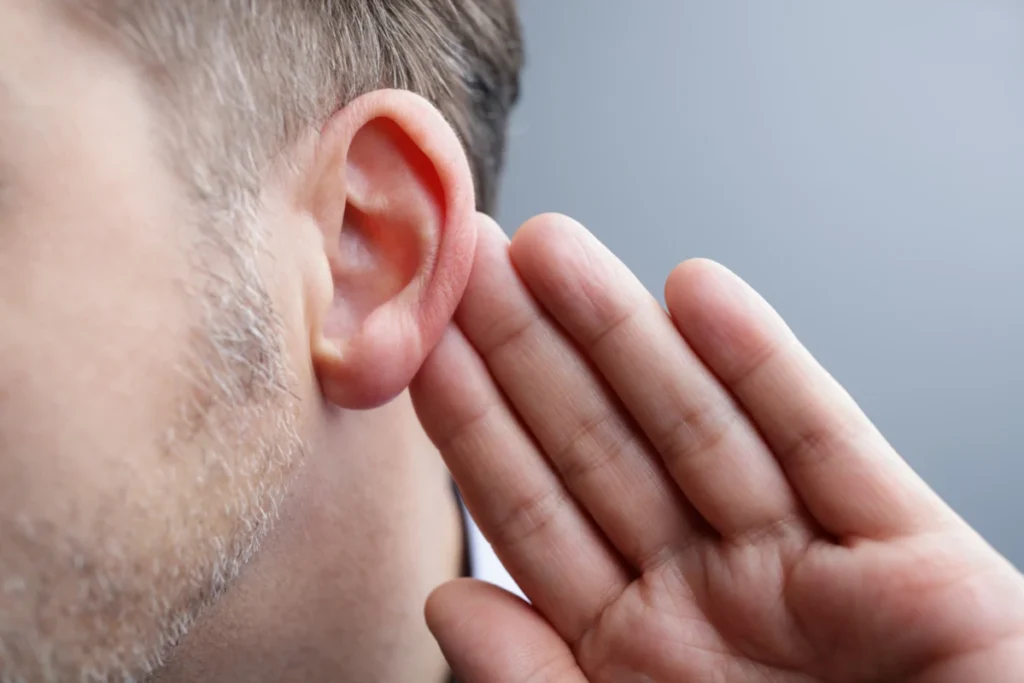
Hearing loss, particularly if it is allowed to progress unchecked, can have major negative effects on an individual’s cognitive functioning and overall well-being. Because of this, untreated hearing loss and its effects on mental health have become an increasingly prominent focus of study. This is particularly important when you consider that hearing loss often occurs with aging and that older people are already at risk for mental health issues. Continue reading for a deeper look at how untreated hearing loss can affect mental health.
Untreated Hearing Loss and Cognitive Decline
The gradual loss of cognitive functioning, such as memory, attention, and the ability to solve problems, is referred to as cognitive decline. Even though it may be considered a normal consequence of aging for some people, there is evidence to suggest that hearing loss may hasten the progression of this decline. Why this occurs is still being studied, although many theories, such as the cognitive load theory, exist.
The cognitive load theory is one hypothesis that can help explain the association between hearing loss and a deterioration in cognitive abilities. When people with hearing loss have difficulty hearing and comprehending speech, this places a greater demand on their brains. Essentially, when the brain devotes additional mental resources to processing auditory information, it can lead to cognitive exhaustion as well as problems in other areas of cognitive functioning. Put simply, the added cognitive load may become too much for the brain to handle.
Untreated Hearing Loss and Socialization
Hearing loss can also play a role in social isolation and withdrawal, which have been linked to cognitive decline. In turn, isolation can lead to reduced cognitive stimulation and increased feelings of loneliness, both of which have been linked to a deterioration in cognitive ability as well as the development of dementia. To understand this better, consider how someone might feel if they were consistently struggling to hear. After repeatedly asking people to repeat themselves, they may feel as if they’re a bother or become embarrassed because they can’t hear. This might cause them to avoid social situations altogether, leading to the isolation mentioned above.
Untreated Hearing Loss and the Brain’s Structure
In addition, hearing loss that is not addressed can have a direct effect on the structure and function of the brain. Researchers who used magnetic resonance imaging (MRI) concluded that people with untreated hearing loss frequently demonstrate changes in their brain structure, including atrophy in particular brain regions. One theory is that this occurs because of reduced auditory input and stimulation. If left untreated, a lack of auditory stimulation may result in a decline in the ability to process auditory information, which is essential for both language and cognitive function.
As you can see, untreated hearing loss, cognitive decline, and mental health seem to be interwoven, with each potentially affecting the others. With evidence of a strong link between the three, you might start to wonder how hearing loss impacts dementia, a group of conditions in which at least two brain processes, such as memory and judgment, are affected.
Untreated Hearing Loss and Dementia
Studies are ongoing, but the results thus far support a connection between hearing loss and dementia. One notable study was published in 2013 in the journal JAMA Internal Medicine. The study followed a group of older individuals for over six years and discovered that those with untreated hearing loss had a higher chance of being diagnosed with dementia compared with those who did not have hearing loss.
In a separate study conducted using a large population-based sample and published in 2018 in the journal JAMA Otolaryngology–Head & Neck Surgery, researchers also found that people with hearing loss were at greater risk of developing dementia. This risk persisted even after accounting for other factors, such as age, sex, and level of education.
It is important to keep in mind that although these studies provide evidence that hearing loss and dementia are linked, this does not establish that hearing loss causes dementia. Additional research is required to gain a complete understanding of the mechanisms underlying this link. It is possible that hearing loss and dementia share risk factors, such as cardiovascular disease or heredity.
Contact Eldorado Hearing and Take Action Against Untreated Hearing Loss
Although more research is needed, there is a great deal of evidence to suggest that untreated hearing loss can have a detrimental effect on cognitive function and mental health and may contribute to the development of dementia. Therefore, it is essential for those who experience hearing loss to seek treatment and interventions suited to their condition. Hearing aids, for instance, can help enhance sounds and improve communication abilities, which may reduce the cognitive load associated with hearing loss.
If you or a loved one are experiencing hearing loss, contact us at Eldorado Hearing today. The impact of ignoring your concerns can be significant. We can assess the issue and create a customized plan so that you can start hearing and living better.