
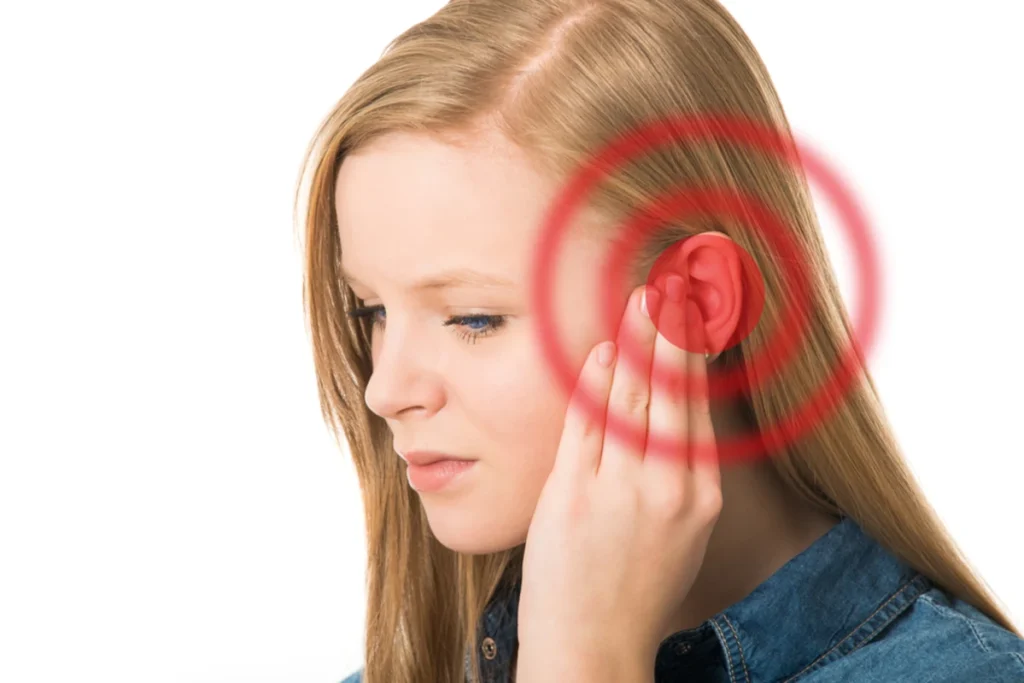
Hearing loss can bring with it a number of symptoms, some of which may surprise you. You may expect to struggle to hear family, friends, music, and television shows as your hearing starts to change. You may have even found a few ways to work around the hearing loss you’ve been experiencing.
But you may not expect or know how to handle some of the other symptoms, such as nausea and dizziness. You may find that you experience dizziness or spinning when you move from sitting or lying down to standing. You could also find that dizziness comes on suddenly and unexpectedly.
Is your hearing loss causing your dizziness? It can be hugely frustrating to deal with dizziness that impacts your life. To determine the best treatment solution for your dizziness, it’s important to figure out what might be causing it.
Understanding dizziness
Just what is dizziness? What you experience may vary somewhat from what others experience. Dizziness itself is not an illness or disease. It’s a symptom that can arise from other conditions or from taking certain medications. Some people may experience mild confusion, while others experience more severe disorientation. A mild lightheaded sensation may be common for one person, while another may experience a much more severe sensation known as vertigo, where everything appears to be whirling. Those with hearing loss sometimes describe their dizziness as a feeling of being unsteady or unable to keep their balance.
Dizziness types
If you’re experiencing dizziness, how do you know if your inner ear is causing it? It can help to understand a bit more about the inner ear and how it can impact other areas of your body.
Your inner ear has two chambers:
- One is for balance and is known as the vestibule.
- One is for hearing and is known as the cochlea.
Each chamber contains nerve endings that are suspended in fluid. When the fluid moves, nerve impulses travel to the brain. If, for some reason, there are changes in circulation or pressure in the fluid, it can result in dizziness.
Most cases of dizziness are due to conditions related to the ear. Some of these conditions may include ear infections, trauma to the head or ear, Meniere’s disease, or other concerns that result in inner ear inflammation. In some situations, people experiencing dizziness may have what is known as central dizziness. Central dizziness happens when the brain is unable to interpret the nerve impulses it receives. Some people who experience central dizziness describe a feeling of fullness or pressure in the head, while others experience extreme tiredness or vertigo.
If you’ve been experiencing hearing loss and dizziness, it is quite possible that there is a connection between the two.
Unexpected symptoms of hearing loss
You know that being unable to hear things as well as you once could is a sign that you’re experiencing hearing loss. But you may be surprised by some of the other symptoms of hearing loss, one of which is often dizziness associated with the inner ear. Three symptoms that may accompany hearing loss include the following:
- Nausea and vomiting
- Lack of coordination
- Loss of balance
You may experience a number of other symptoms that could be related to your hearing loss, some of which may surprise you when you notice them. Hearing loss can happen suddenly, but it quite often develops gradually in people of all ages. An exception may be when there has been some type of trauma to the head or ear. Did you suddenly become dizzy and lose your hearing? Any type of hearing loss accompanied by ongoing dizziness should be a sign that you need to be evaluated by a medical professional. However, sudden dizziness and hearing loss warrant prompt medical attention. Several medical conditions could be responsible for both dizziness and hearing loss, including Meniere’s disease.
Diagnosing dizziness
There are many underlying conditions that could be causing dizziness, so it’s important to undergo a thorough evaluation to help determine the source of your symptoms. Your doctor will first take steps to rule out any serious issues before moving on to tests that can help pinpoint the problem’s location. After a physical examination, your doctor may recommend additional tests, including:
- Blood tests
- X-rays
- Eye exams
- Ear exams
- Hearing tests
- Balance tests
If your doctor determines that your inner ear and hearing loss are contributing to your dizziness, you’ll have a path forward for a treatment plan. Your treatment options will depend on factors unique to you, including the cause of your hearing loss and the types of symptoms you’ve been experiencing.
Treatment for hearing loss and dizziness
There are several options for treating dizziness, including surgery, medication, and rehabilitation. However, when dizziness is caused by an underlying condition associated with hearing loss, the treatment plan may look a little different. Medications that address related nausea may be prescribed as an initial treatment. Nausea can take a huge toll on your quality of life, so it’s important to address it if you’re struggling with it. Steroids, diuretics, and other types of medications may be prescribed to help address dizziness and some of the other symptoms associated with hearing loss.
Surgical treatments may help improve some symptoms of Meniere’s disease, but they typically will not restore lost hearing. Your doctor will be able to guide you toward the best course of treatment for your particular condition. Hearing aids are another option for many people with hearing loss.
Can hearing aids help address your dizziness? Some evidence suggests that hearing aids may be helpful for people who are struggling with dizziness associated with hearing loss. If you are a good candidate for hearing aids, you may find that some of your hearing-related symptoms improve over time.
Are you or a loved one struggling with hearing loss? Perhaps you’ve started to experience some of the symptoms of hearing loss, such as ringing in your ears or dizziness? Reach out to find out more about how we can help.