
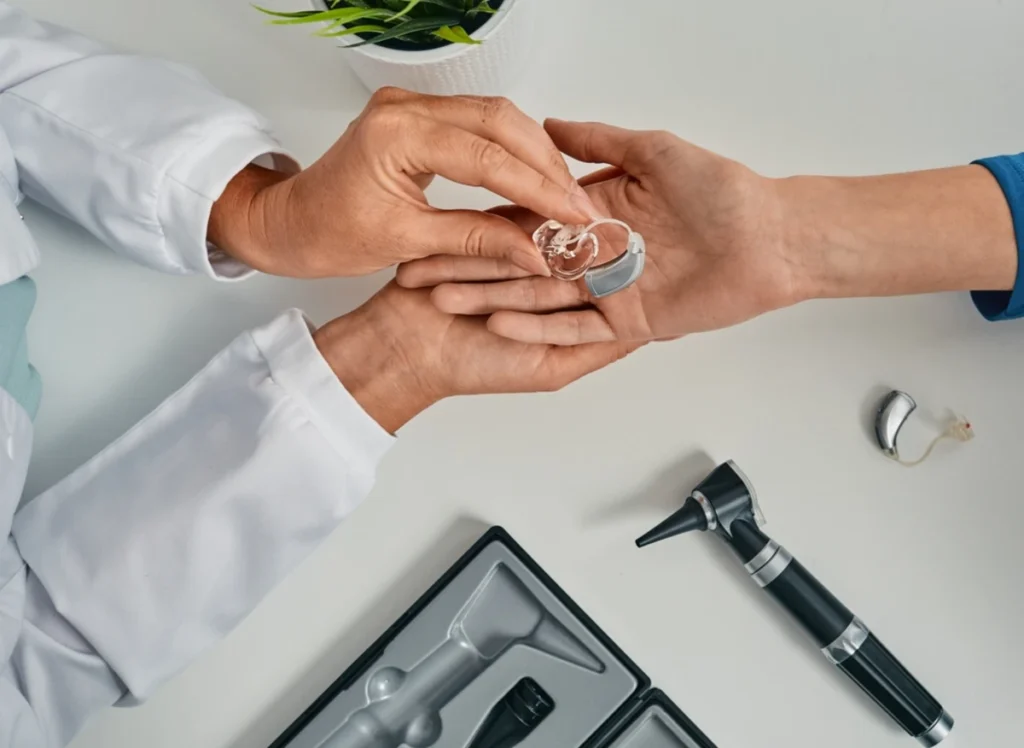
Getting new hearing aids can be a little intimidating. Although it would be nice if you could put them in your ears and hear perfectly right away, the truth is that it can take time to get used to them. Your brain has been working to compensate for your hearing loss, and now you need time to adjust to the new sounds and support provided by your hearing aids.
Hearing aids are like a new pair of glasses or shoes. It takes a while to get used to them before they start feeling comfortable. With your hearing aids, you may hear sounds you haven’t heard in a while. You may also find that your voice sounds funny or different from what you expect. This is a normal part of adjusting to your new hearing aids.
Getting Used to Your Hearing Aids
It’s important to wear your hearing aids regularly when you first get them. This will help you develop the habit of wearing them and become more comfortable with the new sounds you experience.
The best way to start is to put your hearing aids in when you wake up and wear them for as long as you feel comfortable. Try to increase the amount of time you wear them each day until you can wear them throughout the day. If you get tired of wearing them, take short breaks before putting them back in your ears.
However, if your hearing aids become too uncomfortable or you have difficulty adjusting to them, contact your audiologist or hearing care professional. They can check that your hearing aids fit properly and are adjusted to your needs.
Getting the Most Out of Your Hearing Aids in Social Settings
You can get the most out of your hearing aids when spending time with family and friends by sitting about 3–6 feet away from them. Let others know that you are wearing hearing aids so they remember to face you and speak clearly.
When eating at a restaurant, ask to sit in a quieter area so background noise does not interfere with your hearing. If you are in a group, kindly remind everyone that it is easier to hear when only one person speaks at a time. If necessary, ask someone to help summarize or paraphrase what is being said to make sure you understand.
Don’t be afraid to ask others to repeat themselves. It may take time for everyone to adjust to your new hearing aids, but with patience and practice, you can continue to enjoy a full and rich social life.
Caring for Your Hearing Aids
Taking care of your hearing aids with a daily cleaning routine, proper storage, and regular charging or battery replacement will help keep them working well for as long as possible. Follow these recommendations to care for your hearing aids:
- Read your operating and instruction manual carefully.
- Gently wipe your hearing aids after removing them from your ears, following the manufacturer’s cleaning instructions.
- Inspect your hearing aids daily to make sure they are in good working order. Look for cracks or unusual wear and tear.
- Remove your hearing aids before showering, bathing, or swimming, unless your device’s instructions specifically state otherwise.
- Write down when your warranty expires and arrange an inspection before it does.
- Ask your hearing specialist about extended warranty and insurance options.
- Store batteries and hearing aids out of reach of young children and pets. Hearing aid batteries can be dangerous if swallowed.
- Handle your hearing aids carefully over a soft surface to reduce the risk of damage if you drop them.
- If you have battery-operated hearing aids, follow the manufacturer’s instructions for storing them when not in use. Some models may benefit from leaving the battery door open.
- Place rechargeable hearing aids in their charging case or charging station when not in use, following the manufacturer’s instructions.
- If your hearing aids use replaceable batteries, consider carrying spare batteries so you can replace them when needed.
- Store your hearing aids in their case in a designated spot so you don’t forget where you put them.
- See your audiologist regularly for hearing checkups and hearing aid inspections.
To help ensure that your hearing aids work well and last, be aware of the following situations that may damage them:
- Avoid extreme temperatures. Excessive heat or cold can cause temporary or permanent damage to your hearing aids.
- Protect them from moisture. High-humidity environments, such as showers and steam rooms, as well as exposure to rain or snow, may cause problems for your hearing aids. Follow the manufacturer’s guidance on water resistance.
- Apply personal care products before putting in your hearing aids. Cologne, hairspray, and cosmetics can clog the openings or damage components.
- Never use water or other liquids to clean your hearing aids unless the manufacturer specifically recommends them.
- Don’t attempt repairs yourself. If you experience a problem with your hearing aids, take them to your audiologist or hearing care professional.
- Use the recommended cleaning tools. Clean your hearing aids with the tools and products recommended by your audiologist or manufacturer.
If you are experiencing problems with your hearing aids, please contact El Dorado Hearing. Our audiologist will listen to your concerns and help you find a solution to your hearing aid problems.