
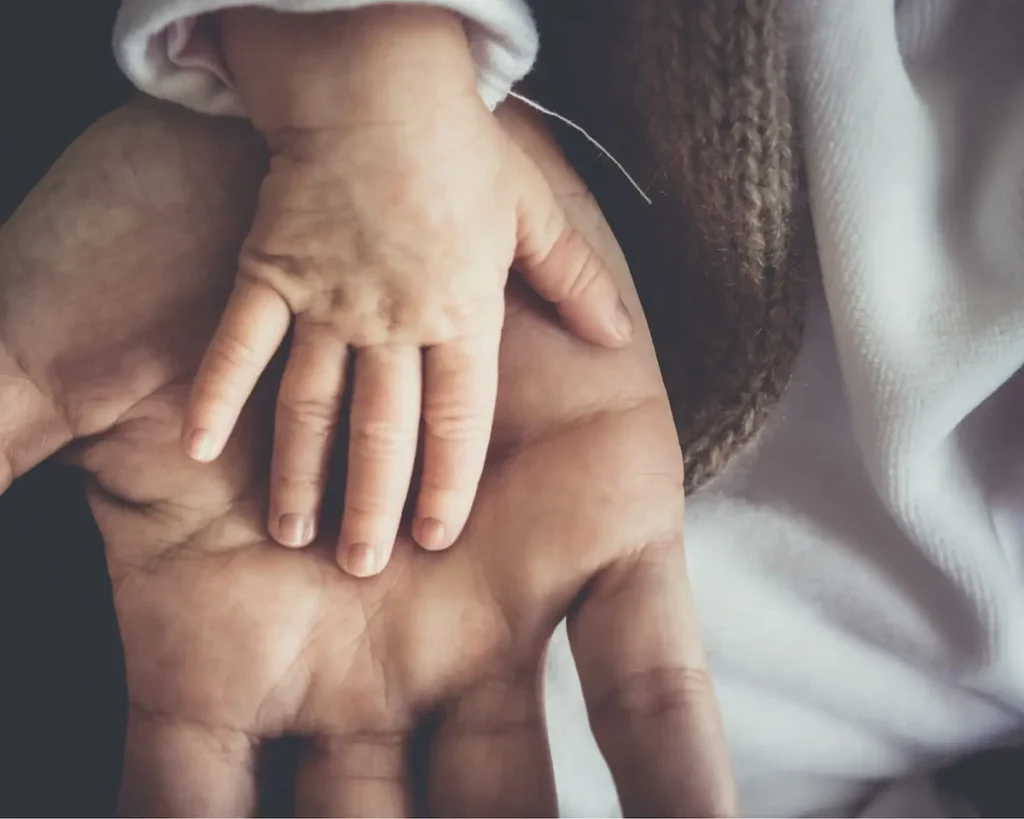
Have you found yourself wondering if hearing loss is a hereditary condition? Whether you have hearing loss and are planning for a family or are experiencing signs of hearing loss and are simply curious, it’s natural to question if and how genetics factor into hearing loss.
Understanding how hearing loss can develop and what causes it can help empower those affected, allowing them to make more informed decisions regarding their treatment plans.
Follow along with El Dorado Hearing to get the answers you’re looking for about hearing loss and genetics.
Hearing Loss and Genetics
For those considering having children, it’s essential to consider the various health conditions that can be passed on to offspring through genetics. Hearing loss is one of the conditions you may be wondering about. While not all hearing loss is genetic, hearing loss caused by genetic variants can be inherited and passed from parent to child.
Hereditary hearing loss results from genetic variants that a child may inherit from one or both parents.
Of babies born with hearing loss, approximately 50% to 60% of cases may be related to genetic factors. Hereditary hearing loss can range from mild to profound. Some children can hear most sounds but have difficulty detecting softer sounds, while others may have very limited hearing.
When hearing loss is present at birth, about 30% of cases are syndromic. This means that hearing loss occurs alongside other health conditions, such as balance, vision, or heart problems. The remaining 70% of cases are considered non-syndromic, meaning hearing loss occurs without other associated medical conditions.
Genetic variants associated with hearing loss can also be passed down without causing hearing loss in every generation. As a result, a child may not show signs of hearing loss but may carry a genetic variant that could be passed on to their future children.
A child can also develop hearing loss before birth because of a bacterial or viral infection during pregnancy. These non-genetic causes can sometimes be mistaken for hereditary hearing loss without appropriate medical evaluation.
One important thing to remember is that hereditary hearing loss does not always appear at birth. Although hearing loss that develops later in life can result from noise exposure, certain medications, or health conditions that affect the auditory system, genetic factors can also contribute to late-onset hearing loss.
Signs of Hearing Loss in Children
If you suspect that your child may have hereditary hearing loss, be mindful of these possible warning signs:
- Delayed speech or language development.
- Behavioral changes.
- Not responding when spoken to or called.
- Increased frustration or withdrawal from social activities.
- Difficulty hearing or understanding spoken language.
- Mispronunciation of words or delayed pronunciation development.
- Difficulty understanding words in noisy environments.
Hearing loss in children can present itself in a variety of ways, which is why it is important to watch for these signs. Some symptoms, such as tugging at the ears or redness, may indicate an ear infection or another ear-related issue rather than hereditary hearing loss.
If you have concerns about your child’s hearing or speech development, arrange a professional hearing evaluation as soon as possible. Early identification and intervention can support speech, language, and learning development.
Have Your Hearing Tested by a Professional
If you think you or a loved one may be experiencing hereditary hearing loss, it’s best to schedule a hearing test promptly. A hearing examination with a trained professional can help identify hearing loss and determine the most appropriate next steps to manage it and improve communication with the world around you.
Schedule an appointment with El Dorado Hearing for a hearing evaluation if you:
- Have a family history of hearing loss.
- Are regularly exposed to loud noises.
- Have difficulty engaging in conversations.
- Are constantly turning up the volume on the television or other devices.
If a hearing evaluation indicates that you or a loved one has hearing loss, the team at El Dorado Hearing can discuss options such as hearing aids or other solutions to help improve hearing and communication.
If you’re experiencing hearing loss, the skilled hearing professionals at El Dorado Hearing can perform a diagnostic evaluation and recommend appropriate treatment and hearing devices. Contact our experienced team to schedule your hearing evaluation.