
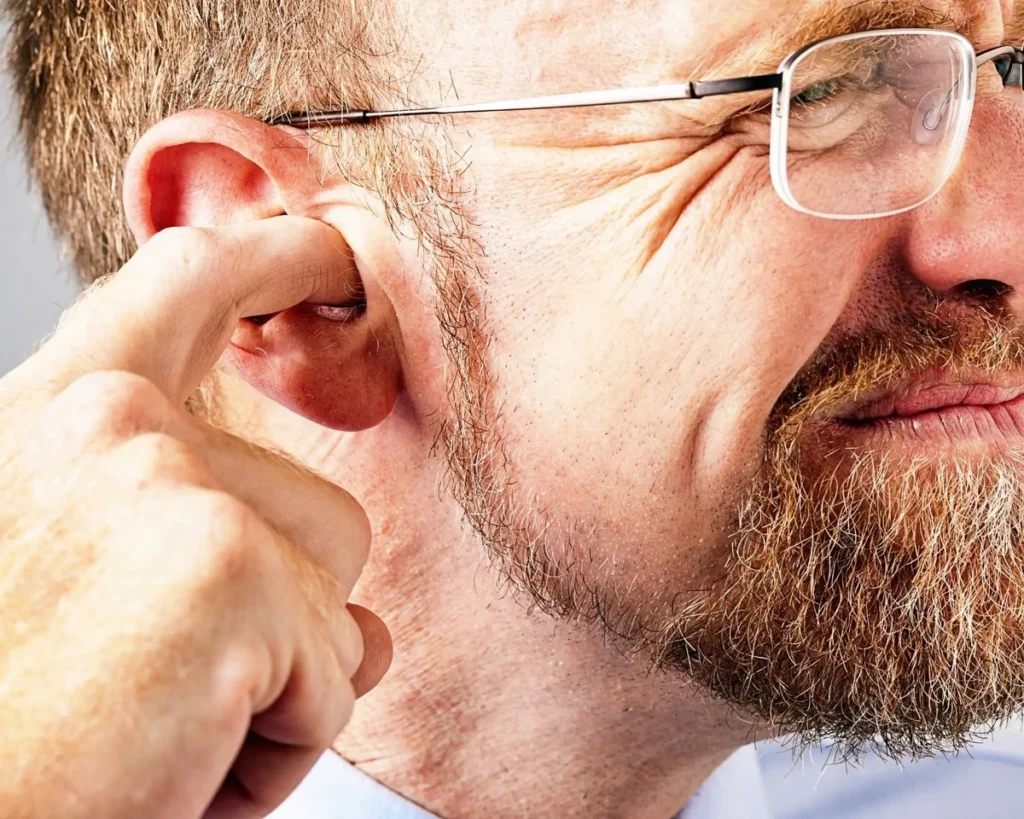
Do you sometimes feel that the world is spinning around you and that you’re off-balance even while standing still? You might be experiencing vertigo. Vertigo creates the sensation that your surroundings are whirling around you or that you are spinning. It is different from ordinary dizziness and can be much more intense.
Vertigo is not a disease itself. Instead, it is a symptom of an underlying condition. You may also experience tinnitus alongside vertigo.
Tinnitus is the perception of sounds that originate without an external source. It is often described as “ringing in the ears,” but you may also hear sounds such as buzzing, humming, grinding, hissing, or whistling.
You might also notice that your hearing isn’t as sharp as it used to be or that background noise makes it difficult to follow conversations. These can be signs of hearing loss, which may occur alongside tinnitus.
At El Dorado Hearing, we take these concerns seriously and want to help you understand what may be happening when you experience vertigo and tinnitus. Let’s explore how these conditions can be related, their symptoms, and how you can seek appropriate care.
Similarities Between Vertigo and Tinnitus
Vertigo and tinnitus can both occur in people with inner ear disorders. Depending on the underlying condition, they may also be associated with problems affecting the auditory system, balance pathways, or brain. Because some inner ear conditions affect both hearing and balance, vertigo and tinnitus can occur together.
Not everyone who experiences tinnitus also experiences vertigo, but the two symptoms can occur together in certain conditions. For example, people with Ménière’s disease may experience episodes of vertigo alongside tinnitus and hearing loss.
Treating the underlying condition may help improve one or both symptoms, although treating tinnitus alone does not necessarily resolve vertigo.
Differences Between Vertigo and Tinnitus
Tinnitus is a symptom involving the perception of sound without an external source. It may be associated with hearing loss, exposure to loud noise, certain medications, or other ear-related conditions.
Vertigo, on the other hand, is a sensation of spinning or movement that can affect balance and orientation. It has several possible causes, including inner ear disorders and, less commonly, problems involving the central nervous system.
Ménière’s Disease
Ménière’s disease typically affects one ear, although both ears can become involved over time. It is an inner ear condition that can cause sudden episodes of spinning vertigo, ringing or buzzing in the ear (tinnitus), pressure or fullness in the ear, and hearing loss.
Ménière’s disease can occur at any age, but it most commonly begins in adulthood. Although it is a chronic condition, several treatments can help manage symptoms and reduce their impact on daily life.
Symptoms of Ménière’s Disease
When Ménière’s disease flares up, you may experience:
- Dizziness with a spinning sensation.
- Unsteadiness or difficulty maintaining your balance.
- Nausea and vomiting.
- Ringing in the ear.
- Roaring or buzzing sounds inside the ear.
- Changes in hearing, including a sudden drop in hearing ability.
- A feeling of pressure or fullness in the affected ear.
Vertigo attacks often last from 20 minutes to several hours. Other symptoms may persist for longer, and you may feel exhausted or unsteady for a day or two after an attack. Symptoms vary from person to person, and hearing changes may occur with or without vertigo.
Attacks may recur over weeks, months, or years. If you experience recurring vertigo, tinnitus, or changes in hearing, consult a healthcare professional for an evaluation. Sudden hearing loss requires urgent medical attention.
Causes of Ménière’s Disease
The exact cause of Ménière’s disease is not fully understood. It is thought to involve abnormalities in the fluid regulation of the inner ear, although the precise mechanisms remain unclear.
Possible contributing factors include a family history of Ménière’s disease, genetic susceptibility, and changes in inner ear fluid regulation. However, no single cause has been established for every person who develops the condition.
What to Do If You Suspect Ménière’s Disease
Ménière’s disease can affect your balance during an attack. If vertigo occurs, taking appropriate precautions can help reduce the risk of falling:
- Sit or lie down immediately in a safe place until the spinning sensation subsides.
- Keep your head still and avoid sudden movements.
- Move slowly and carefully when getting up or walking again.
- Use medication for vertigo or nausea only as directed by your healthcare professional.
- Wait until you feel steady before resuming normal activities, and avoid driving while dizzy.
After an attack, gradually returning to normal movement may help you regain confidence and balance. If you experience repeated attacks, speak with your healthcare professional about a management plan tailored to your symptoms.
Treatments for Ménière’s Disease
Although there is no established cure for Ménière’s disease, treatments can help manage symptoms and reduce their impact on daily life.
Stress and anxiety may make it more difficult to cope with recurring symptoms. Relaxation techniques such as yoga, meditation, tai chi, and mindfulness may help you manage stress and improve overall well-being.
Some people find that dietary changes, such as reducing sodium intake, help manage their symptoms. Limiting caffeine and alcohol may also be beneficial for some individuals, although responses vary. Avoiding smoking can support overall health.
Depending on your symptoms and medical history, a healthcare professional may recommend medications to relieve vertigo and nausea. Diuretics may be prescribed in some cases to help manage symptoms. Other treatments may be considered if symptoms remain difficult to control.
If you are experiencing any of these symptoms, it is best to seek advice from a medical or hearing professional. Call to arrange a consultation with one of the hearing specialists at El Dorado Hearing.
Your hearing and quality of life are important, and we’d like to help you protect both!