
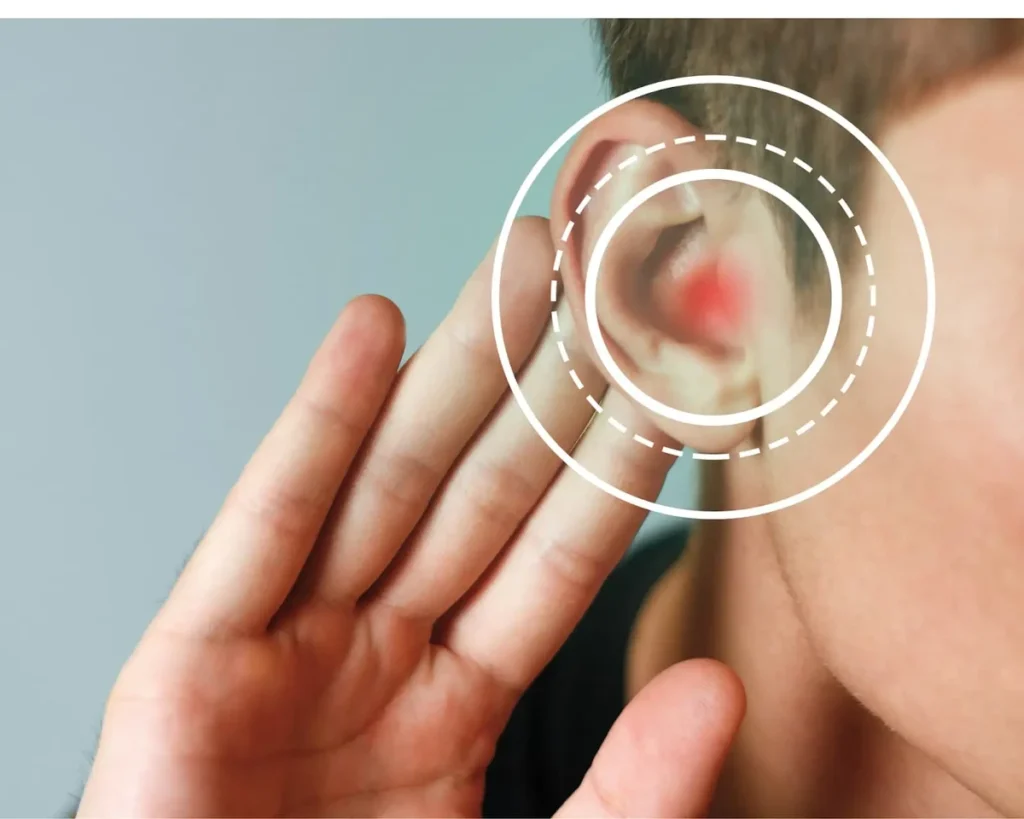
A person’s inability to hear sounds clearly is known as hearing loss. Hearing loss can be mild, moderate, or severe. It usually affects both ears (bilateral hearing loss), but it can also affect just one ear. Whether mild or severe, it’s important to understand the signs of hearing loss in one ear, its causes, and what you can do to help.
Hearing loss in one ear is known as single-ear deafness or unilateral hearing loss. “Single-sided deafness” generally refers to severe or profound hearing loss in one ear.
Hearing loss can develop suddenly or gradually. Sudden hearing loss in one ear requires urgent medical evaluation, as prompt treatment may improve the chances of recovery.
Follow along as El Dorado Hearing explores the causes of hearing loss in one ear and what can be done to help.
Signs of Hearing Loss in a Single Ear
Our brain uses input from both ears to determine where sounds are coming from and improve hearing quality. Losing hearing in one ear may cause the following problems:
- Difficulty pinpointing where a sound is coming from. The brain uses differences in the sounds received by each ear to determine the location of a sound. If you hear primarily through one ear, you may have difficulty identifying where a sound originates.
- Difficulty multitasking and increased listening fatigue. The brain must work harder to interpret sounds when hearing is reduced in one ear. Single-sided hearing loss can increase listening effort and leave you feeling fatigued after conversations.
- Difficulty judging how loud a sound is. Hearing with both ears helps the brain process sound intensity and other auditory cues. Hearing loss in one ear can make it harder to judge loudness and perceive sounds accurately.
- Difficulty hearing in noisy environments. Two healthy ears help the brain distinguish speech from background noise. When hearing is reduced in one ear, following conversations in crowded or noisy places can become more challenging.
Causes of Hearing Loss in a Single Ear
The cause of hearing loss in one ear is not always identifiable. It may result from several factors, including the following:
- Genetic disorders: Abnormal bone growth or other inherited conditions can cause hearing loss in one ear.
- Earwax buildup: A buildup of earwax can block the ear canal and reduce hearing in one ear.
- Infections: Viral or bacterial infections can affect the ear and cause hearing loss.
- Meniere’s disease: This condition often affects one ear and may cause fluctuating hearing loss, dizziness, ringing in the ears, and a feeling of fullness. It should be evaluated by a medical professional.
- Physical trauma: A ruptured eardrum or an injury to the head or neck can cause hearing loss. Seek immediate medical attention if hearing loss occurs suddenly after an injury.
Hearing loss in one ear may be temporary or permanent, depending on its underlying cause.
Hearing Test: What You Need to Know
If you experience hearing loss in one ear, consult a hearing professional or healthcare provider as soon as possible. A hearing test measures your ability to hear sounds at different pitches and frequencies, helping determine the degree and type of hearing loss.
Depending on the cause, treatment may include earwax removal, hearing aids, or a referral to another medical specialist. If your hearing loss develops suddenly, seek urgent medical evaluation rather than waiting for a routine hearing test.
How Hearing Aids Help
A hearing aid is a battery-powered electronic device worn in or behind the ear. It is designed to improve hearing by amplifying sounds.
Hearing aids can make it easier to hear and communicate with others. However, they do not restore normal hearing; instead, they help make sounds more accessible and may reduce listening effort. Depending on your hearing needs, you may benefit from a hearing aid in one ear or both ears.
Schedule an Appointment with El Dorado Hearing
Whether hearing loss affects one ear or both, and whether it develops gradually or suddenly, appropriate evaluation and treatment are important. Call El Dorado Hearing today if you are experiencing hearing loss in one or both ears.
Sudden hearing loss in one ear can be a medical emergency. Seek urgent medical care immediately rather than delaying treatment.