
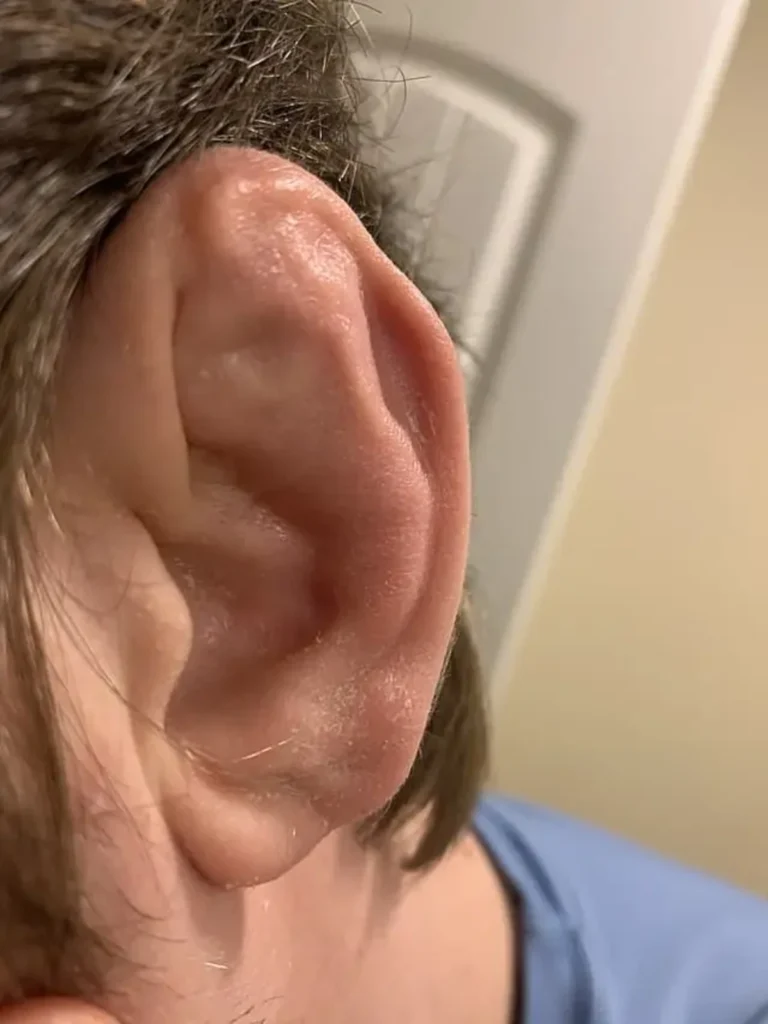
When you hear the word cauliflower, you likely think of the vegetable that resembles a white piece of broccoli—not someone’s ear! However, a condition known as cauliflower ear commonly affects wrestlers, boxers, and other individuals who participate in contact sports. Cauliflower ear occurs when trauma to the outer ear causes blood to collect beneath the skin, resulting in swelling that can eventually leave the ear lumpy and misshapen.
Along with concerns about the appearance of cauliflower ear, you may wonder whether it can cause side effects such as hearing loss. Keep reading as El Dorado Hearing explains the risks associated with untreated cauliflower ear, including its potential impact on hearing.
The Risks of Untreated Cauliflower Ear
Cauliflower ear can develop after repeated blunt-force trauma to the outer ear, which is particularly vulnerable during contact sports when protective headgear is not worn. Impacts from a fist, a shoulder, or the ground can damage the tissue and cause blood to collect beneath the skin. This collection of blood, known as a hematoma, can interfere with the blood supply to the cartilage, which needs adequate oxygen and nutrients to heal properly.
Without prompt treatment, the damaged cartilage may heal abnormally, causing the ear to become thickened and misshapen. Early medical treatment can help prevent these permanent changes. If treatment is delayed, the condition may become more difficult to manage and, in some cases, reconstructive surgery may be necessary.
Although cauliflower ear primarily affects the outer ear, complications can occur. Damaged tissue may be more susceptible to infection, particularly if the skin is broken or the area is not treated appropriately. Severe ear trauma can also cause other injuries, including damage to the ear canal or eardrum, which may affect hearing.
If you develop sudden swelling after an injury to the ear, seek prompt medical attention. An ear hematoma may require drainage by a healthcare professional to help prevent permanent deformity. Do not attempt to drain it yourself.
Cauliflower Ear and Hearing Loss
A study published in the Asian Journal of Sports Medicine examined the prevalence of hearing loss among wrestlers with and without cauliflower ear. By evaluating the hearing of both groups, researchers investigated whether cauliflower ear was associated with differences in hearing levels.
The study reported a higher prevalence of hearing loss among wrestlers with cauliflower ear than among those without the condition. However, this association does not necessarily mean that cauliflower ear directly causes hearing loss. Other factors, including repeated exposure to trauma and injuries affecting other parts of the ear, may also contribute.
These findings highlight the importance of taking preventive measures during contact sports. Wearing appropriate protective headgear can help reduce the risk of ear trauma and cauliflower ear. Athletes should also seek prompt medical care after an ear injury and arrange a hearing evaluation if they notice changes in their hearing.
Schedule Hearing Testing with El Dorado Hearing
If you or a loved one regularly participates in contact sports that increase the risk of blunt-force injuries to the head and ears, consider regular hearing examinations, especially if there are concerns about hearing changes or previous ear injuries.
Regular hearing evaluations with a qualified hearing specialist can help:
- Identify concerns: A hearing specialist can assess your hearing and recommend appropriate next steps if a problem is identified. If you have cauliflower ear, a medical professional can evaluate the injury and discuss appropriate treatment, including drainage of an ear hematoma when necessary. Protective headgear can also help reduce the risk of future injuries.
- Limit further damage: A hearing specialist can help you understand your hearing results and discuss ways to protect your hearing. For ear injuries, prompt medical assessment is important to reduce the risk of complications.
- Explore appropriate treatment: If an evaluation identifies hearing loss, a hearing specialist can discuss suitable options, which may include hearing aids or other hearing technologies. Injuries or medical conditions affecting the outer or middle ear may also require assessment by a healthcare professional or an ear, nose, and throat (ENT) specialist.
For personalized hearing testing in Tucson, AZ, consider scheduling an appointment with El Dorado Hearing of Tucson. We strive to make our hearing offices comfortable and welcoming for everyone.
Instead of continuing to search for “hearing testing near me,” reach out to the team at El Dorado Hearing. If you are ready to take care of your hearing health, contact us today to schedule an appointment for a hearing evaluation!