
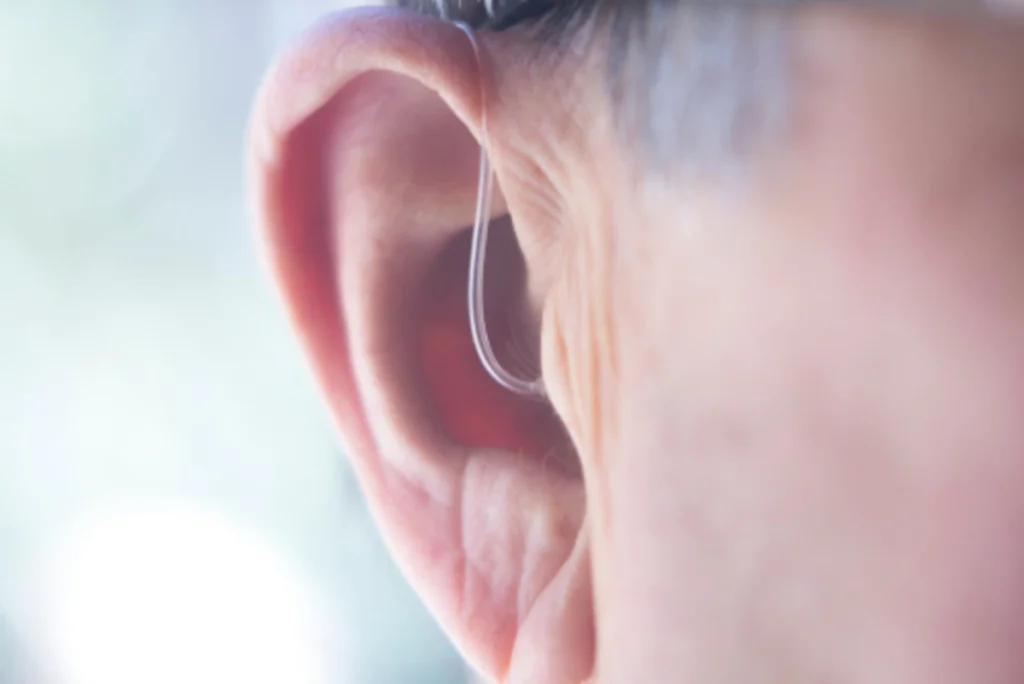
Yes, you can sleep with hearing aids! The exact instructions vary depending on the type of device you have, but here are some common tips to help ensure a comfortable night’s rest:
- Talk to your audiologist – It’s important to check with your audiologist for specific instructions on using your hearing aids at bedtime, as some devices are not designed to be worn overnight.
- Use a hearing aid dehumidifier – Moisture can accumulate in hearing aids during use, potentially affecting the device over time. Rather than leaving your hearing aids on overnight, remove them before sleeping and use a hearing aid dehumidifier or drying system according to the manufacturer’s instructions.
- Use a soft lining or foam earplug – If appropriate for your situation, consider using a comfortable sleep accessory to help reduce external noise. Avoid placing foam earplugs over or around hearing aids while sleeping, as this may cause discomfort or damage the devices.
- Follow your regular cleaning routine – Clean your hearing aids according to the manufacturer’s instructions, and watch for signs of ear irritation or infection. If you experience earwax buildup or discomfort, contact a qualified professional. Call El Dorado Hearing to schedule an ear cleaning if needed.
Ear cleaning – El Dorado Hearing

Reasons to avoid wearing hearing aids at night
It’s important to speak with your audiologist before deciding whether to wear your hearing aids while sleeping. In general, here are some reasons to avoid wearing hearing aids overnight:
- Risk of ear infection – Wearing hearing aids for extended periods may trap moisture and reduce ventilation in the ear canal, potentially contributing to irritation or infection. Removing your devices at bedtime and keeping them clean can help maintain ear health.
- Interference with sleep quality – Sounds from outside sources may be amplified through a hearing aid, potentially disrupting restful sleep. If noise is a concern, ask your audiologist about suitable options for managing it at night.
- Damage to the device – Sleeping with hearing aids increases the chance of accidental damage from tossing and turning, including damage to wires or other components. Removing your devices before bed can help protect them.
How hearing aids benefit your health
Hearing aids can improve the clarity and quality of the sounds you hear and may offer additional health benefits. Here are some ways they can support your overall well-being:
- Improved cognitive function – Untreated hearing loss has been associated with an increased risk of cognitive decline. Hearing aids can improve access to speech and other sounds, making communication easier and potentially reducing listening effort. They should not, however, be considered a guaranteed way to reverse cognitive decline.
- Reduced stress levels – Untreated hearing loss can contribute to stress when conversations are difficult to follow or important information is missed. Hearing aids may reduce these frustrations by improving communication and making social interactions easier.
- Reduced risk of falls and injury – Hearing loss has been associated with an increased risk of falls. Hearing aids can improve awareness of environmental sounds, although they do not guarantee better balance or prevent falls.
These are some of the ways hearing aids may benefit your physical and mental well-being. If you suspect you have tinnitus or hearing loss, speak with El Dorado Hearing about a hearing evaluation and appropriate treatment options for your needs.