
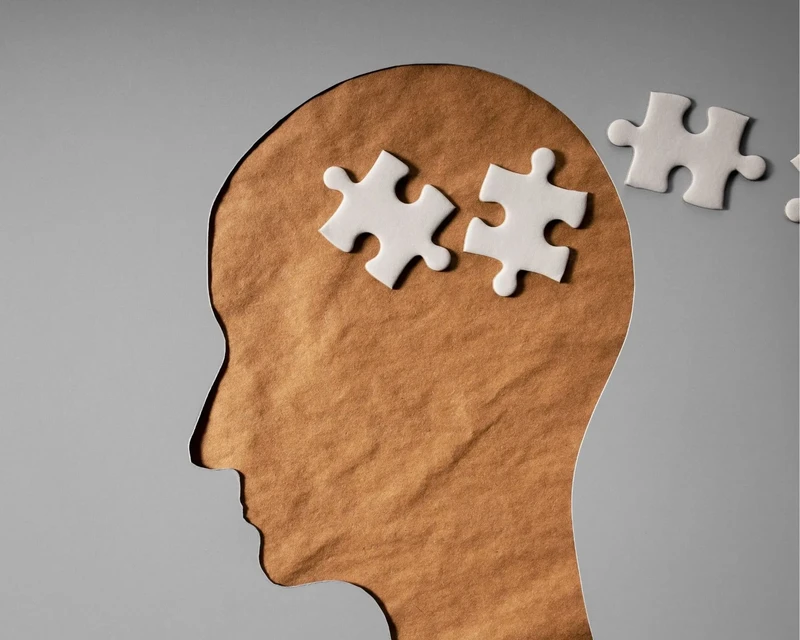
Understanding the Connection Between Hearing Loss and Memory Loss
As we age, it’s common to experience some changes in memory and cognitive function. Some older adults may also develop hearing loss, leading researchers to investigate the relationship between hearing difficulties, cognitive decline, and dementia. Although many questions remain unanswered, studies have identified an association between hearing loss and an increased risk of cognitive impairment.
While the relationship between hearing loss and memory changes is still being explored, understanding the potential connection is important for anyone experiencing hearing or cognitive difficulties. Today, El Dorado Hearing explores common signs of memory loss, how hearing and cognitive function may be related, and whether hearing aids can help support cognitive health.
Signs of Memory Loss
Everyone occasionally forgets where they put their car keys or struggles to recall a name. However, when memory problems become more frequent or begin interfering with everyday activities, they may indicate an underlying cognitive issue that deserves attention.
Be mindful of the following potential signs of memory loss or cognitive changes:
- Repeatedly asking the same questions or telling the same stories.
- Frequently struggling to remember familiar words during conversations.
- Experiencing noticeable personality or behavioral changes.
- Having difficulty managing emotions or becoming unusually agitated.
- Confusing words or struggling to follow conversations.
- Frequently misplacing everyday items or putting them in unusual places.
- Having difficulty completing familiar tasks or following instructions.
These changes do not necessarily mean someone has dementia. Memory and thinking difficulties can have several causes, including medication effects, sleep problems, depression, vitamin deficiencies, and other medical conditions. Hearing loss can also make conversations difficult to follow, which may sometimes be mistaken for memory problems.
If you or a loved one experiences persistent or worsening changes in memory, thinking, or behavior, consult a healthcare professional for an evaluation. Sudden confusion requires urgent medical attention.
The Link Between Hearing Loss and Memory
Research has found an association between hearing loss and cognitive decline, including dementia. However, the relationship is complex, and scientists are still working to understand the underlying causes. Hearing loss does not automatically lead to memory loss or dementia, and the two conditions can occur independently.
Hearing relies on effective communication between the ears and the brain. Sound waves enter the ear and are converted into electrical signals that travel along the auditory nerve to the brain. The brain then processes these signals, allowing us to recognize sounds, understand speech, and communicate with others. Healthy hearing depends on the proper functioning of both the auditory system and the brain’s sound-processing pathways.
With sensorineural hearing loss, damage to the inner ear’s sensory cells or the auditory nerve pathways can make it more difficult to detect sounds and understand speech. As a result, conversations may become harder to follow, especially in noisy environments.
Researchers have proposed several explanations for the relationship between hearing loss and cognitive decline:
- Increased listening effort: When sounds are difficult to understand, the brain must work harder to interpret speech. This increased effort can contribute to listening fatigue and leave fewer mental resources available for other tasks.
- Social isolation: Hearing difficulties can make conversations and social activities more challenging. Some people may withdraw from interactions, potentially reducing opportunities for social engagement and mental stimulation.
- Changes in brain function: Long-term hearing loss may be associated with changes in how the brain processes sound and allocates cognitive resources. Researchers continue to study how these changes relate to cognitive health.
- Shared risk factors: Age, cardiovascular conditions, and other health factors may contribute to both hearing loss and cognitive decline.
The relationship may also work in the other direction. Certain cognitive conditions can affect how the brain interprets sounds, understands speech, and responds to communication. However, difficulty processing conversations does not necessarily mean a person has hearing loss caused by cognitive decline.
Because hearing and cognitive difficulties can overlap, a comprehensive evaluation may be helpful when either condition is suspected. A hearing test can identify hearing loss, while a healthcare professional can assess memory changes and determine whether additional testing is needed.
Can Hearing Aids Help Prevent Memory Loss?
Researchers are continuing to investigate whether treating hearing loss can reduce the risk of cognitive decline. Hearing aids can improve access to speech and everyday sounds, making communication easier and helping people remain engaged with family, friends, and their communities.
Some research has found that hearing interventions may help slow cognitive decline in certain older adults who are at increased risk. However, findings vary across populations, and hearing aids have not been proven to prevent dementia or eliminate the risk of memory loss.
If you have hearing difficulties, scheduling a hearing evaluation is an important first step. If hearing aids are recommended, wearing them as advised and attending follow-up appointments can help ensure that the devices fit comfortably and provide appropriate hearing support. Addressing hearing loss can improve communication and quality of life, even as research into its potential cognitive benefits continues.
Schedule a Hearing Test with El Dorado Hearing in Tucson
To help you manage hearing loss, El Dorado Hearing provides comprehensive hearing evaluations. Our experienced hearing specialists assess your hearing, determine the type and extent of any hearing loss, and discuss suitable treatment options based on your individual needs.
If hearing aids are appropriate for you, we’ll help you explore available options and provide guidance on using and maintaining your devices. Treating hearing loss can make everyday conversations easier and help you stay connected with the people and activities that matter most.
For personalized hearing testing in Tucson, AZ, consider El Dorado Hearing. We strive to make our hearing clinics comfortable and welcoming for everyone.
If you’re ready to take the next step toward better hearing, visit one of our hearing clinics. Contact us today to schedule an appointment with one of our caring hearing specialists!