
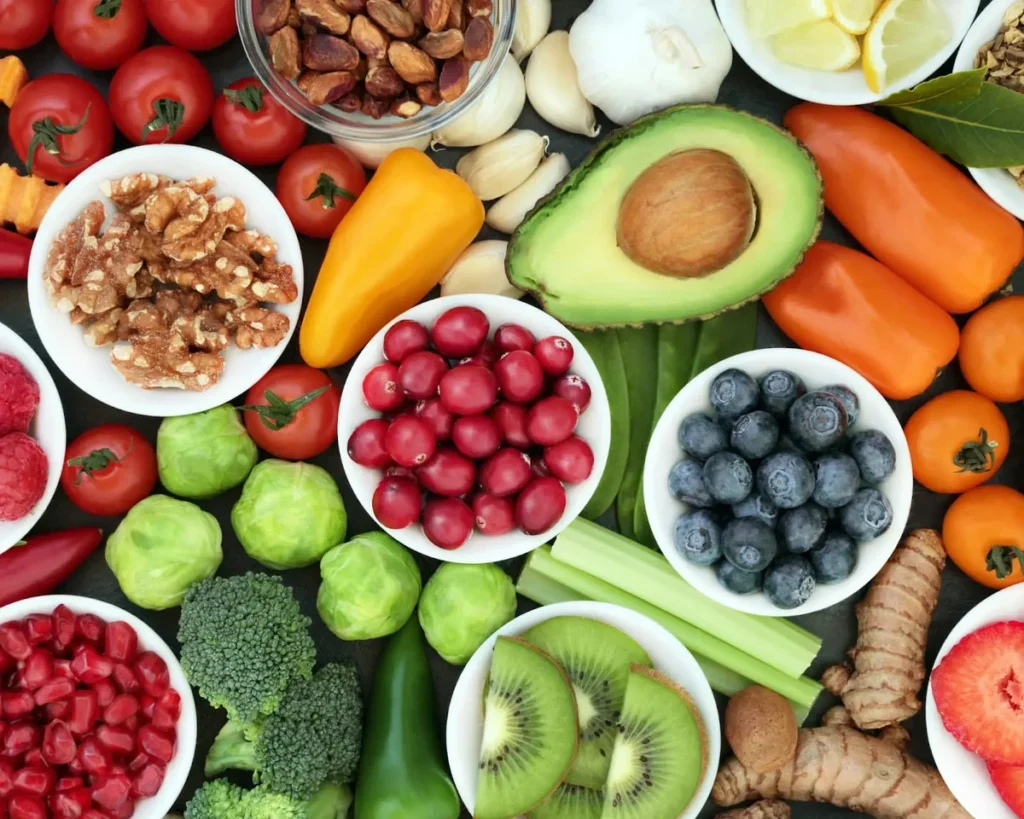
We all know that eating a whole-food, nutrient-dense diet is important for a healthy heart, maintaining a healthy weight, and supporting cognitive function. But did you also know that what you eat may affect your hearing and tinnitus symptoms?
Of course, this doesn’t mean that eating a serving of broccoli with dinner will immediately reduce tinnitus symptoms, although it certainly can’t hurt to try. Still, there are some foods and drinks to be aware of if you are dealing with hearing loss or tinnitus.
According to the National Institute on Deafness and Other Communication Disorders, tinnitus is the perception of sounds, such as ringing, buzzing, or other noises, without an external source. The sound and its perceived volume vary from person to person, but one thing remains the same: only the person experiencing tinnitus hears the sound.
Various factors can contribute to tinnitus, including infections, chronic exposure to loud noises, age-related changes, certain medical conditions, and some medications. Approximately 25 million people in the United States experience tinnitus. Finding an appropriate treatment plan for persistent humming, ringing, or clicking sounds is therefore important.
The brain plays a role in how tinnitus is perceived, and some lifestyle factors may influence how noticeable or bothersome the symptoms become. If you experience unusual sounds in your ears, speak with a healthcare professional to help identify the cause and rule out conditions that may require medical attention.
With an appropriate diagnosis, you can explore lifestyle factors that may contribute to your symptoms, including your diet.
Diet and Tinnitus
Some people find that certain foods and drinks affect how noticeable their tinnitus becomes, although the evidence varies, and dietary triggers differ from person to person. Let’s take a look at a few common examples.
Processed, Packaged, and Fast Food
If you’ve ever blotted grease off a cheesy pizza, you’re probably well aware of how much fat and sodium can be found in some popular foods. Many fast-food and packaged meals contain high amounts of sodium, which can contribute to elevated blood pressure.
Blood pressure and cardiovascular health are important to overall well-being, including the health of the blood vessels that supply the ears. However, high sodium intake has not been established as a direct cause of tinnitus flare-ups in everyone. If you suspect that salty foods affect your symptoms, consider tracking your diet and discussing your concerns with a healthcare professional.
Caffeine
Caffeine is found in coffee, tea, energy drinks, and some other beverages and foods. Although caffeine can temporarily raise blood pressure in some people, research has not established that it consistently worsens tinnitus.
Some people notice changes in their symptoms after consuming caffeine, while others experience no effect. If you suspect caffeine is a trigger for your tinnitus, consider monitoring your intake and symptoms. Reducing consumption gradually may be helpful if you notice a clear connection, but eliminating caffeine completely is not necessary for everyone.
Alcohol
Some people report that their tinnitus becomes more noticeable after drinking alcohol. Alcohol can affect the body in several ways, including contributing to dehydration and temporarily changing blood pressure and circulation. However, its effects on tinnitus vary from person to person, and it is not established that alcohol worsens symptoms in everyone.
If you notice that drinking alcohol aggravates your tinnitus, consider reducing your consumption or avoiding it. Drinking water can help maintain hydration, although it does not guarantee that tinnitus symptoms will improve.
Bottom Line
These are just three types of foods and drinks that may affect tinnitus symptoms in some people. After speaking with your healthcare professional, you may wish to monitor your intake of processed foods, caffeine, and alcohol to see whether any of them appear to trigger or worsen your symptoms.
Adding more lean protein, fruits, vegetables, and other nutrient-rich foods can support a healthy, balanced diet. Remember that dietary changes are not a guaranteed treatment for tinnitus, and you should not stop prescribed medications or make major dietary changes without appropriate medical advice.
If you have made healthier lifestyle changes but are still experiencing tinnitus, it may be time to explore additional treatment options.
This is where El Dorado Hearing can help! Our hearing specialists can evaluate your hearing, discuss possible causes of your symptoms, and help you explore appropriate options for managing hearing loss and tinnitus.
Reach out today to take charge of your hearing health and improve your quality of life.