
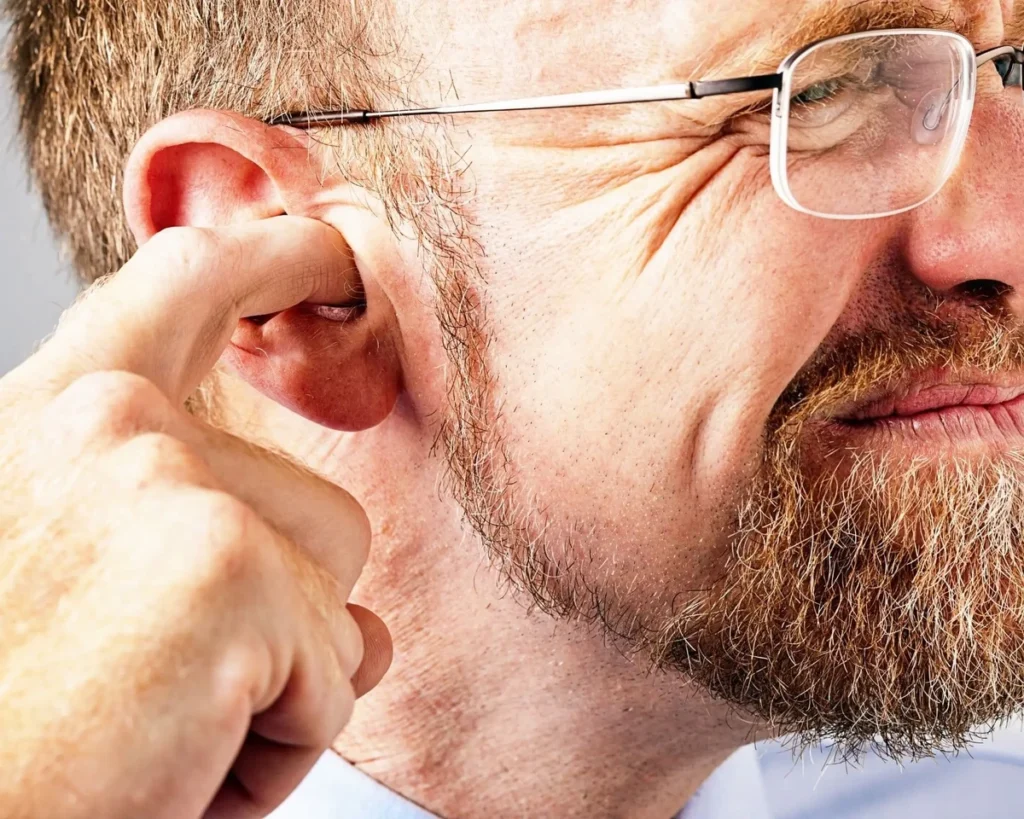
We all have earwax — some of us more than others. Many people rely on cotton swabs to keep their ears feeling clean, but did you know that cotton swabs may not be the best way to prevent earwax buildup and blockages? In fact, they can make the problem worse.
El Dorado Hearing has put together this guide to help you protect your ears and maintain healthy hearing. Read on to learn what causes earwax buildup, the symptoms an earwax blockage can cause, and how to manage impacted earwax safely.
What Is Earwax?
Before exploring the problems impacted earwax can cause, it’s important to understand what earwax is. Also known as cerumen, earwax is a natural substance produced in the ear canal. It contains secretions, dead skin cells, and other materials. Its lubricating and protective properties help keep the ear canal healthy by trapping dust and debris and providing some protection against infection.
Normally, earwax gradually moves through the ear canal with the help of jaw movements, such as those that occur when talking or chewing. Once it reaches the outer ear, it usually dries and flakes away naturally.
Sometimes, however, earwax accumulates faster than it can naturally move out of the ear canal. This can lead to an earwax blockage, also known as an earwax impaction. When this happens, you may notice uncomfortable symptoms, including difficulty hearing clearly.
Symptoms of an Earwax Blockage
Recognizing the symptoms of impacted earwax can help you determine when it may be time to seek professional care. Common symptoms include:
- Muffled hearing or hearing loss
- Ear discomfort
- Ringing in the ears (tinnitus)
- A feeling of fullness or blockage in the ear
- Itching in the ear canal
- Earache
Ear discharge or an unpleasant odor is not typical of uncomplicated earwax buildup and may indicate an infection or another ear condition that needs medical evaluation.
If your symptoms persist or worsen, consult a healthcare professional. Seek prompt medical attention if you experience severe ear pain, fever, dizziness, or discharge from the ear. Sudden hearing loss requires urgent medical assessment.
What Causes Impacted Earwax?
Some people naturally produce more earwax than others, which may make them more prone to blockages. However, one common cause of impacted earwax is the use of cotton swabs or other objects to clean inside the ear canal.
Cotton swabs may seem like a convenient way to remove earwax and keep your ears feeling fresh. However, instead of removing the wax, they can push it deeper into the ear canal, increasing the risk of a blockage. They can also irritate or injure the ear canal and, in some cases, damage the eardrum.
Frequent use of earbuds, headphones that fit inside the ear, or earplugs may also contribute to earwax buildup in some people by interfering with its natural movement out of the ear canal.
How to Prevent Earwax Buildup
Think you may have significant earwax buildup or an earwax impaction? Avoid trying to remove it yourself with cotton swabs, tweezers, or other objects. These methods can push wax farther into the ear canal or cause injury, infection, or hearing problems.
In most cases, the ears clean themselves naturally, so routine cleaning inside the ear canal is unnecessary. You can gently clean the outer ear with a soft cloth. If you frequently experience earwax blockages, ask a healthcare professional about safe management options. Earwax-softening drops may be suitable for some people, but they should be avoided if you have a perforated eardrum, ear tubes, or certain ear conditions unless a healthcare professional advises otherwise.
If you’re experiencing hearing difficulties that may be related to excess earwax, contact the team at El Dorado Hearing to schedule an appointment. We can examine your ears, determine whether earwax buildup may be affecting your hearing, and discuss appropriate removal options when needed.
Don’t let an earwax blockage interfere with your daily life. Contact El Dorado Hearing to learn more about our earwax management services and find out how we can help you maintain healthy hearing.