
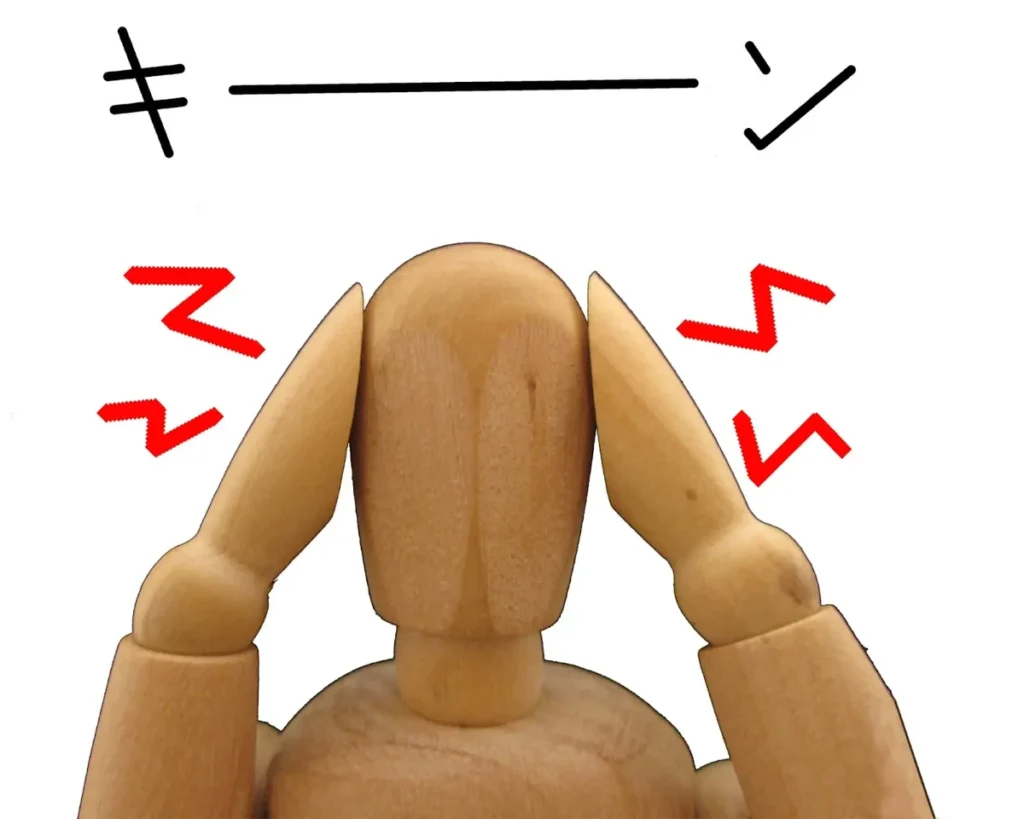
Tinnitus is the perception of sound without an external source. It may sound like whistling, hissing, buzzing, whooshing, pulsating, or high-pitched ringing. Tinnitus is widespread and affects more than 50 million Americans. For some people, it can be a debilitating experience that affects their daily lives.
Although you hear these sounds, there is no corresponding external sound source. Some people describe tinnitus as buzzing or whooshing, while others experience persistent ringing in one or both ears. These symptoms can be frustrating and may contribute to stress, anxiety, sleep difficulties, and depression.
Tinnitus is generally classified as subjective or objective. Objective tinnitus is rare and refers to sounds that can sometimes be detected by a healthcare professional during an examination, occasionally with a stethoscope. Identifying and treating the underlying cause may help reduce or resolve these sounds.
Subjective tinnitus is the more common type, in which only the affected person can hear the ringing, buzzing, or roaring sounds. Although it may not always be possible to eliminate tinnitus completely, several treatments can help manage symptoms and improve quality of life.
What Causes Tinnitus?
One common factor associated with tinnitus is damage to the inner ear, particularly the sensory hair cells involved in hearing. Normally, sound waves travel through the outer and middle ear to the inner ear, where they are converted into electrical signals that the brain interprets as sound. Changes in the auditory system, including those associated with hearing loss, can alter how the brain processes sound and contribute to tinnitus.
People who work in environments with prolonged exposure to loud sounds, such as music venues, construction sites, or workplaces using chainsaws and jackhammers, may have a higher risk of developing tinnitus.
Other common causes and contributing factors include:
- Exposure to loud noises through headphones, concerts, or live music
- Earwax buildup that blocks the ear canal
- Hearing loss, which is frequently associated with tinnitus
- Stress, which can make tinnitus more noticeable or distressing
- Certain medical conditions affecting the ear or auditory system
Some medications can also cause or worsen tinnitus, particularly at high doses or in susceptible individuals. Medications associated with tinnitus or other hearing-related side effects include:
- High doses of aspirin: Large doses can cause temporary tinnitus in some people.
- Antimalarial medications: Certain drugs, including chloroquine, may cause hearing-related side effects.
- Certain antibiotics: Medications such as gentamicin can damage the inner ear. Other antibiotics may also cause hearing-related side effects in some circumstances.
- Some anticancer medications: Certain chemotherapy drugs can affect hearing, although the risks vary by medication.
If you suspect that a medication is causing tinnitus, consult your healthcare professional. Do not stop taking prescribed medication without medical advice.
Best Home Remedies for Tinnitus
Before visiting an audiologist, you can try several strategies at home to help manage buzzing or ringing sounds. These approaches may reduce discomfort, although they do not eliminate tinnitus in every case.
- Address earwax buildup. Some people with tinnitus also experience a feeling of fullness in their ears due to excessive earwax. The ears usually move wax outward naturally, but sometimes it accumulates and blocks the ear canal. Avoid inserting cotton swabs or other objects into your ears. If you suspect excessive earwax, consult a hearing specialist about safe removal. Earwax removal products are not suitable for everyone, particularly people with ear tubes, a perforated eardrum, or a history of ear surgery.
- Manage your stress levels. Stress can make tinnitus more noticeable and difficult to tolerate. Relaxing activities such as reading, watching movies, painting, meeting friends, or practicing art therapy may help you manage stress. Relaxation techniques, mindfulness, and counseling may also improve your ability to cope with persistent tinnitus.
- Get enough sleep. Fatigue and poor sleep can make tinnitus feel more disruptive. Maintaining a regular sleep schedule, creating a comfortable sleeping environment, and practicing a relaxing bedtime routine may help. If caffeine interferes with your sleep or seems to worsen your symptoms, consider reducing your intake gradually.
What Are the Treatment Options for Tinnitus?
Hearing Aids for Tinnitus
If you experience both hearing loss and tinnitus, hearing aids may help manage both conditions. They amplify external sounds, making speech and environmental sounds easier to hear. This can make tinnitus less noticeable by directing your attention toward the sounds around you.
Some hearing aids also include sound-generation features designed to help manage tinnitus. An audiologist can evaluate your hearing and determine whether hearing aids or other sound-based approaches may be appropriate for you.
Tinnitus Masking Devices
Tinnitus masking devices produce sounds that help make ringing or buzzing less noticeable. Depending on the device, they may use white noise, nature sounds, or other gentle sounds to reduce the contrast between tinnitus and the surrounding environment.
These devices may help some people relax, concentrate, or sleep more comfortably, although results vary from person to person.
You can experiment with gentle background sounds at home, such as a fan, soft music, or the sound of running water, to see whether they make your tinnitus less noticeable. Keep the volume at a comfortable level and avoid loud sounds that could damage your hearing. An audiologist can help you explore suitable sound therapy options.
Tinnitus Retraining Therapy
Tinnitus Retraining Therapy (TRT) is an approach designed to help people become less distressed by tinnitus. It typically combines counseling with sound therapy to help the brain gradually reduce its attention to the tinnitus sounds.
TRT requires time and consistent support from a trained professional. Treatment may take many months, and some programs last approximately 12 to 24 months. Results vary, and the goal is to reduce the impact of tinnitus on daily life rather than guarantee that the sound will disappear completely.
An experienced hearing professional can explain whether El Dorado Hearing offers suitable tinnitus management services and help you understand the options available to you.
How Can We Help You Relieve Your Tinnitus?
At El Dorado Hearing, our audiologists can review your medical history, examine your ears, and conduct a comprehensive hearing evaluation to help identify possible contributors to your tinnitus.
Based on your symptoms and assessment results, our team can discuss appropriate management options, which may include hearing aids, sound therapy, counseling, or tinnitus retraining therapy when suitable.
If you or a loved one experiences tinnitus or needs hearing aids, the team at El Dorado Hearing can help you explore available treatments and develop a plan to manage your symptoms.
Contact El Dorado Hearing for more information or to schedule an appointment.