
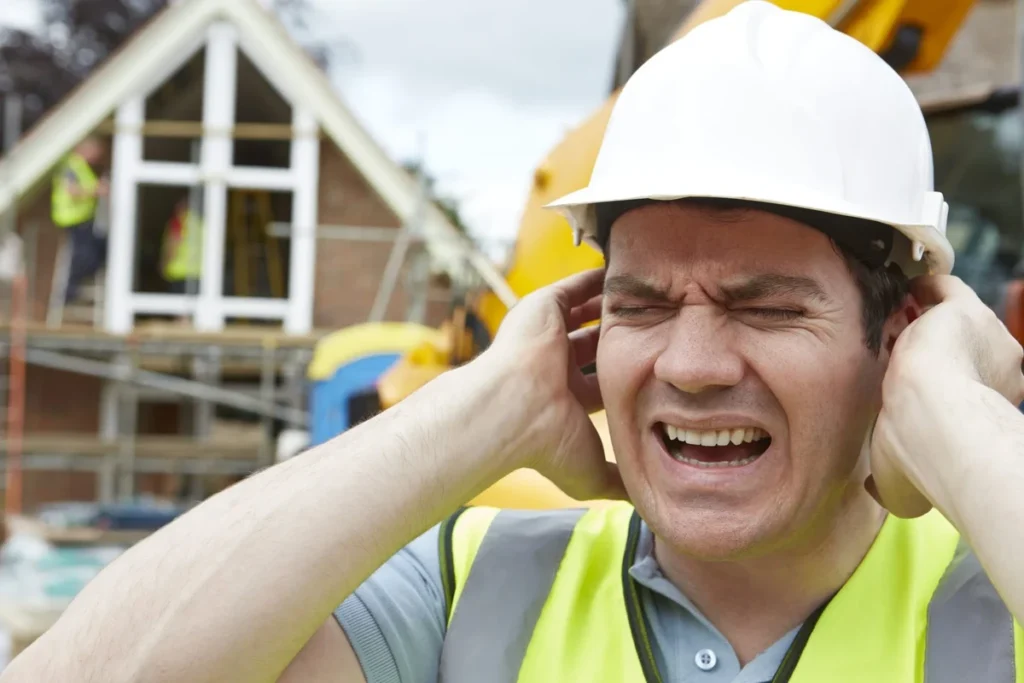
What can you do about hearing loss caused by noise exposure? Many people believe that aging is the primary cause of hearing loss, but noise exposure is another major risk factor. Noise-induced hearing loss can happen to anyone at any age.
Exposure to extremely loud noises, such as explosions or gunshots, can damage your hearing. Prolonged exposure to excessive noise levels, such as attending concerts or working in construction or near airfields, can also contribute to hearing loss. This type of hearing damage can happen instantly or develop over an extended period.
The Function of the Ear
Inside your ears are sensitive hair cells located in the cochlea, or inner ear, which processes sound. These hair cells convert sound waves into electrical signals that travel along neural pathways to the brain for interpretation. If the hair cells become damaged, they can no longer transmit signals effectively, compromising your hearing. When this happens, you might experience tinnitus, ringing in the ears, or noise-induced hearing loss.
Hearing damage can occur with prolonged or repeated exposure to sounds above 85 decibels, the unit used to measure sound intensity. Everyday environments can reach this level, including busy streets, construction sites, and areas where lawnmowers or other loud equipment are operating. The louder the sound, the less time it may take to cause hearing damage.
Noise-Induced Hearing Loss Is Preventable
Noise-induced hearing loss is largely preventable with appropriate precautions. Hearing loss, including age-related hearing loss, can be associated with several adverse effects, including social isolation, depression, and balance difficulties. Hearing loss has also been linked to an increased risk of cognitive decline and dementia.
Hearing loss can affect your relationships, work, and social life. You can help protect your hearing by developing good habits and being aware of when you need ear protection. Listening to extremely loud music through your phone or headphones can damage your hearing. Monitoring your listening volume and limiting exposure to loud sounds can help reduce your risk.
Many people assume that hearing loss is an inevitable part of aging. However, some hearing loss associated with aging may be related to accumulated noise exposure. Prevention starts with learning how to protect your ears throughout your life.
Noise Exposure
Exposure to loud noise can be harmful, even when it happens occasionally or for a short period. You may experience temporary symptoms such as tinnitus, muffled hearing, or reduced hearing sensitivity after exposure to loud sounds. These symptoms can indicate that your ears have been affected, and repeated exposure can increase the risk of permanent damage to the inner ear.
If you experience tinnitus or muffled hearing after exposure to loud noise, particularly after attending a concert or another loud event, consider having your hearing evaluated by an audiologist. Sudden hearing loss requires urgent medical assessment.
Avoid listening to personal audio devices at high volumes. Rather than relying on a fixed volume percentage, keep the volume at a comfortable level and reduce your listening time when the sound is loud. Consider using volume-limiting headphones or earbuds to help control sound levels. Noise-canceling headphones can also make it easier to listen at lower volumes by reducing background noise.
You can also use smartphone settings or apps that monitor or limit headphone volume. At home, keep your television at a comfortable volume and consider turning on closed captions instead of increasing the sound.
Noise-Canceling Headphones and Earplugs
Hearing protection should be used when attending loud activities such as clubs, bars, concerts, or live performances. Wear appropriate hearing protection when working with power tools, lawnmowers, or other yard equipment that produces loud noise.
You can purchase foam, wax, silicone, or pre-molded earplugs designed to reduce noise exposure. Your audiologist can also fit you with custom-molded, high-fidelity earplugs that reduce sound levels while helping preserve sound quality.
Try to limit your exposure to loud noises whenever possible. Move away from noisy situations and carry earplugs so you can protect your hearing when loud sounds cannot be avoided.
Give yourself breaks from noisy environments by spending time in quieter surroundings. Although quiet breaks do not reverse hearing damage, they can help reduce continued exposure and give you a chance to rest from loud sounds.
Noise-Induced Hearing Damage Can Be Permanent
Once noise-induced hearing loss occurs, the damage to the sensitive hair cells in the inner ear is generally permanent. These cells do not regenerate in humans, and there is currently no established treatment that can fully restore hearing lost through this type of damage. However, an audiologist can evaluate your hearing and recommend a management plan that may include hearing aids, assistive listening devices, communication strategies, and other supportive treatments.
If you have difficulty understanding complex sounds or find that speech sounds distorted, you may be experiencing noise-induced hearing loss. You might notice that other people sound muffled when they speak. Difficulty hearing doorbells or high-pitched sounds can also be a sign of hearing loss. Missing certain speech sounds, such as the letters “f” and “z,” may make conversations harder to understand.
You may also find it frustrating to be in a noisy room because conversations are difficult to follow or background noise competes with speech.
If you think you are experiencing noise-induced hearing loss, whether mild, moderate, or severe, take our online hearing quiz today. At El Dorado Hearing, our specialists can help evaluate your hearing and discuss options to improve your hearing and quality of life.