
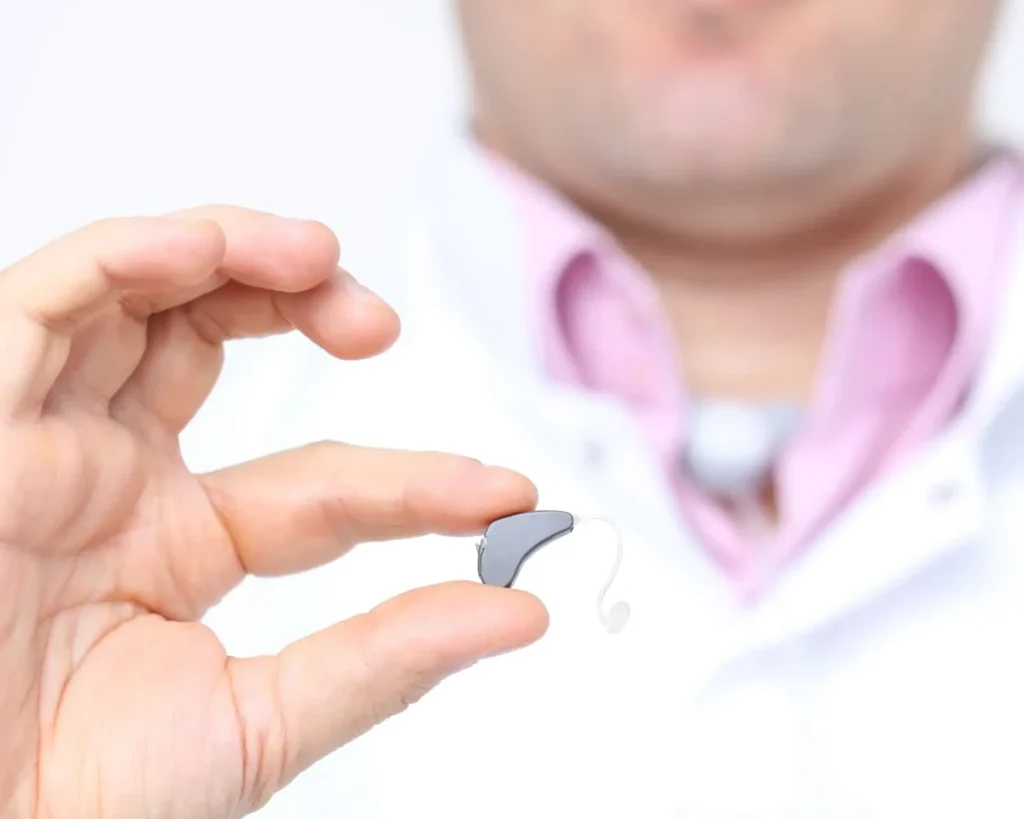
It’s essential to keep your hearing aids working well, but it can be challenging to know when to replace your current devices with new ones. There are several signs that your hearing aids may need repair or replacement, along with care tips that can help extend their lifespan.
Let’s look at what you can do to get the most out of your hearing aids and continue hearing the sounds around you.
Does My Hearing Aid Have a Warranty?
Many hearing aids come with a warranty covering a specified period, often one to three years, depending on the manufacturer and model. Some devices also offer extended warranty options.
Review your hearing aid’s warranty and replacement policy to understand what is covered. If necessary, contact the place where you purchased your hearing aids or the manufacturer to clarify the terms and find out whether repairs or replacements are available.
Common Signs That Your Hearing Aid May Need Attention
The lifespan of a hearing aid battery depends on the battery type, device, and how often you use your hearing aids. Disposable hearing aid batteries may last anywhere from a few days to several weeks. You may need to replace them weekly or monthly, depending on your usage and battery type.
Sound distortion, reduced volume, or a low-battery alert may indicate that your batteries need replacing. However, these symptoms can also result from blocked microphones, earwax buildup, moisture, or other device issues. If replacing the battery does not resolve the problem, consult your hearing care professional.
Rechargeable hearing aids use built-in batteries that can be recharged daily. Depending on the model, a full charge may provide a full day of use, although battery performance varies with usage, streaming, and device settings.
Rechargeable batteries gradually lose capacity over time. Many may last several years before their performance noticeably declines. If your hearing aids no longer hold a charge or their battery life has significantly decreased, contact the manufacturer or your hearing care professional to discuss servicing or replacement options.
Can I Make My Hearing Aid Batteries Last Longer?
Even high-quality hearing aids need a reliable power source. To help maintain battery performance, follow these tips:
- Store disposable hearing aid batteries at room temperature and keep them away from extreme heat and cold.
- Wash and dry your hands before handling batteries to prevent grease and dirt from transferring to the battery or device.
- For hearing aids with disposable batteries, open the battery door at night when recommended by the manufacturer. This can help reduce moisture buildup.
- Remove depleted disposable batteries promptly to help prevent leakage or corrosion.
- Carry spare disposable batteries if your hearing aids use them.
- Keep batteries and hearing aids away from loose metal objects, such as coins and keys, to reduce the risk of short circuits or damage.
Rechargeable Hearing Aids
Rechargeable hearing aids are convenient and reduce the need to replace disposable batteries regularly. Rechargeable systems vary by manufacturer, but two battery types commonly discussed are silver-zinc and lithium-ion.
- Silver-zinc: Some systems use removable rechargeable batteries housed behind a battery door.
- Lithium-ion: These hearing aids typically have built-in rechargeable batteries and no user-accessible battery door.
Knowing which battery system your hearing aids use can help you follow the correct care and charging instructions.
Silver-Zinc Batteries (With a Battery Door)
Silver-zinc batteries, including those used in some ZPower rechargeable hearing aid systems, are similar in size and shape to conventional hearing aid batteries. Charging times and daily battery life depend on the specific system, so check the manufacturer’s instructions for accurate guidance.
Silver-Zinc Hearing Aid Battery Charging Tips
- Make sure your hearing aids are dry and free of dirt before placing them in the charging station.
- Follow the manufacturer’s instructions for placing your hearing aids in the charging base and turning them off or on.
- Check the charging indicator light to confirm that the hearing aids are charging. Refer to the manufacturer’s guide to understand what blinking or steady lights mean.
- Handle your hearing aids carefully when removing them from the charger. Follow the recommended handling instructions and avoid pulling on any wire connecting the receiver.
Lithium-Ion Batteries (Without a Battery Door)
If your hearing aids do not have a user-accessible battery door, they may use built-in lithium-ion rechargeable batteries. Charging time and battery life vary by model, but many devices are designed to provide a full day of use after a full charge.
Lithium-ion batteries gradually lose capacity with age and repeated charging. If your hearing aids no longer hold a charge effectively, contact the manufacturer or a hearing care professional to find out whether the battery can be serviced or replaced. Depending on the device, replacing the hearing aids may be the most practical option.
4 Ways to Help Keep Your Rechargeable Batteries Healthy
- Use the recommended charger. When your hearing aids are not in use, place them in their charging station if instructed by the manufacturer. Follow the recommended charging routine for your particular model.
- Store your hearing aids properly. Use the designated charger or storage case according to the manufacturer’s instructions. Avoid leaving the devices in unsuitable conditions that could expose them to moisture, heat, or battery drain.
- Keep the battery compartment closed. Built-in rechargeable hearing aids generally do not have a user-accessible battery door. Avoid attempting to open the device or access its internal battery.
- Keep your hearing aids away from metal objects. If you need to store your hearing aids outside their charging station, place them in a safe, dry case away from coins, keys, and other objects that could damage them.
If you are experiencing problems with your hearing aids, it may be time to consult a hearing aid specialist. Contact El Dorado Hearing today for an expert consultation and help keeping your hearing aids working properly.