
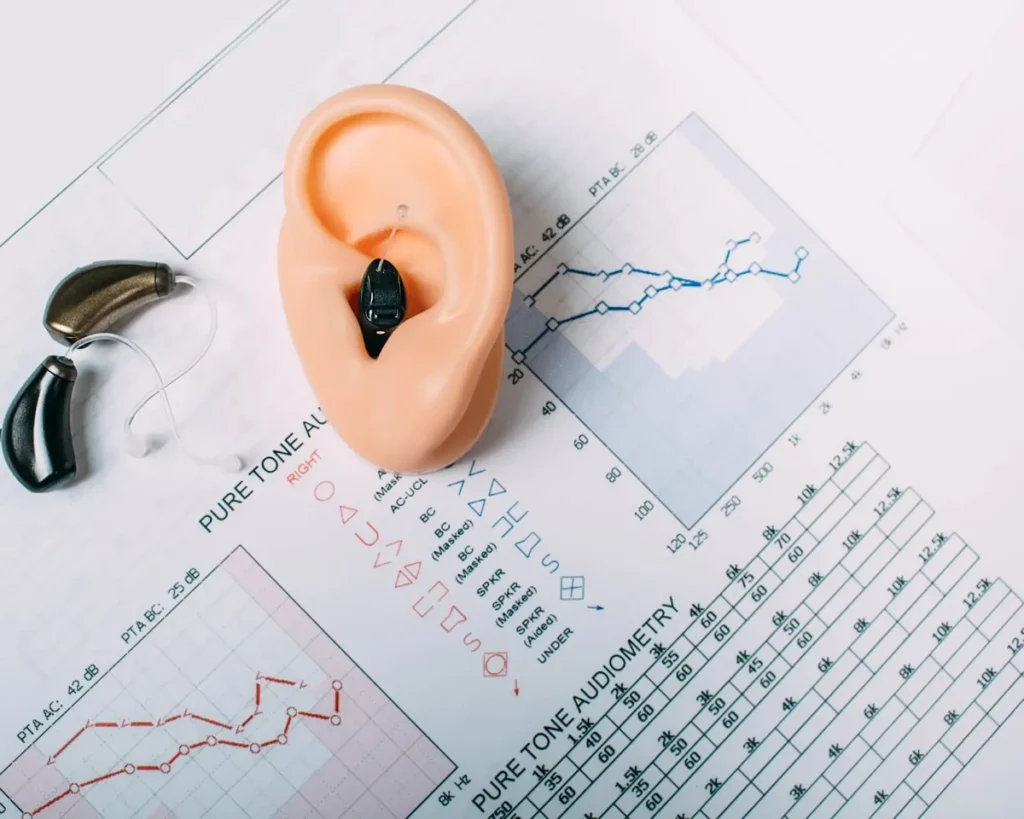
What is the difference between over-the-counter hearing aids and prescription hearing aids? After all, choosing the right device can significantly impact your hearing health. Let’s learn more about OTC hearing aids and why professional guidance can be valuable when selecting and fitting hearing aids.
The FDA and Over-the-Counter Hearing Aids
The U.S. Food and Drug Administration (FDA) established a category of over-the-counter (OTC) hearing aids to provide more accessible and affordable options for adults with certain types of hearing loss.
- OTC hearing aids are designed for adults aged 18 and older with perceived mild to moderate hearing loss.
- OTC hearing aids are generally less expensive than prescription hearing aids, although prices vary by model and features.
Is Paying More Really Worth It?
Hearing loss is more than simply assuming that you’re getting older and no longer hear as well as you used to. Changes in hearing can affect communication, relationships, and everyday activities. We recommend consulting an audiologist or qualified hearing specialist who can evaluate your hearing and help identify the cause of your concerns.
Other health conditions can contribute to hearing difficulties, and a specialist can help determine which treatment options may be appropriate. Professional guidance can be especially valuable when hearing changes have an underlying medical cause.
An audiologist evaluates hearing, recommends appropriate treatments, and helps patients determine whether hearing aids are suitable for their needs. They can also answer questions, provide communication strategies, and offer ongoing support to help you maintain an active social life.
Low-cost, over-the-counter hearing aids may be appealing because they are convenient and readily available. However, it’s important to consider whether an OTC device meets your needs or whether professionally fitted hearing aids and ongoing care would be more appropriate.
Is There a Difference Between OTC and Prescription Hearing Aids?
Over-the-Counter Hearing Aids
- Designed for adults with perceived mild to moderate hearing loss
- Can be purchased without a prescription or mandatory professional fitting
- Generally less expensive than prescription hearing aids
- May not be covered by insurance, depending on the plan
- Return policies vary by seller and manufacturer
- May not provide the desired results for every individual
Prescription Hearing Aids
- Selected with guidance from an audiologist or hearing care professional
- Typically include a comprehensive hearing evaluation and personalized recommendations
- Can be programmed and adjusted to suit individual hearing needs
- Professionally fitted and fine-tuned for comfort and performance
- May be covered by some insurance plans, depending on the provider and policy
- May offer financing options through certain providers
- Can include advanced features for improving speech understanding and managing challenging listening environments
- Can be adjusted over time as your hearing needs change
Both OTC and prescription hearing aids can help people with hearing loss. The right choice depends on factors such as the degree and type of hearing loss, listening needs, budget, and whether professional support is needed.
Why Should I Visit a Professional Audiologist?
Audiologists are trained professionals who specialize in hearing and balance health. They can evaluate hearing concerns, identify possible causes, recommend treatment options, and provide follow-up care. Their expertise extends beyond hearing aids to include assessing other factors that may affect your hearing health.
Just as you visit a healthcare professional for other health concerns, regular hearing evaluations can help you identify changes in your hearing. An audiologist can examine your ears and assess your hearing ability. Seeking an evaluation when you first notice a problem can help you understand your options and address concerns promptly.
Your audiologist may administer several tests to assess different aspects of your hearing. These tests help determine whether hearing loss is present, identify its type and severity, and guide recommendations for appropriate treatment.
Based on your results, your audiologist can develop a personalized plan to address your hearing needs. If prescription hearing aids are recommended, they can explain the different styles and features available and help you choose devices that suit your lifestyle, preferences, and budget. Follow-up appointments allow your hearing care professional to assess your progress and make adjustments when needed.
Hearing aids can make a meaningful difference in everyday life, and a hearing specialist can guide you throughout the process. If you have never worn hearing aids before, your specialist can teach you how to use, adjust, clean, and maintain them properly.
Your audiologist can also provide ongoing support as your hearing needs change. From your initial evaluation to hearing aid fitting and follow-up visits, professional care can help ensure that your treatment continues to meet your needs.
Working with an audiologist can support your communication, confidence, and overall well-being. If you have concerns about your hearing, a qualified professional can help you explore appropriate solutions and stay engaged in the activities you enjoy.
What Are the Signs That I Need to See an Audiologist?
The following symptoms may indicate a hearing or ear health problem:
- Difficulty hearing conversations in crowded or noisy environments
- Dizziness or balance problems
- Ringing or buzzing in the ears
- Excessive earwax causing discomfort or reduced hearing
- Unexplained ear pain
- Difficulty hearing the television or radio at a comfortable volume
- Persistent discomfort or a feeling of fullness in the ears
If you’re experiencing any of these symptoms, consider scheduling an appointment with a hearing specialist. Sudden hearing loss, severe dizziness, or hearing changes accompanied by significant pain should be assessed urgently.
At El Dorado Hearing, we are committed to providing personalized hearing care and helping patients understand their options. Our team can help you explore suitable hearing solutions based on your hearing needs, lifestyle, and budget.
We will work with you to develop an individualized care plan and discuss available hearing health options, insurance considerations, and financing opportunities.