
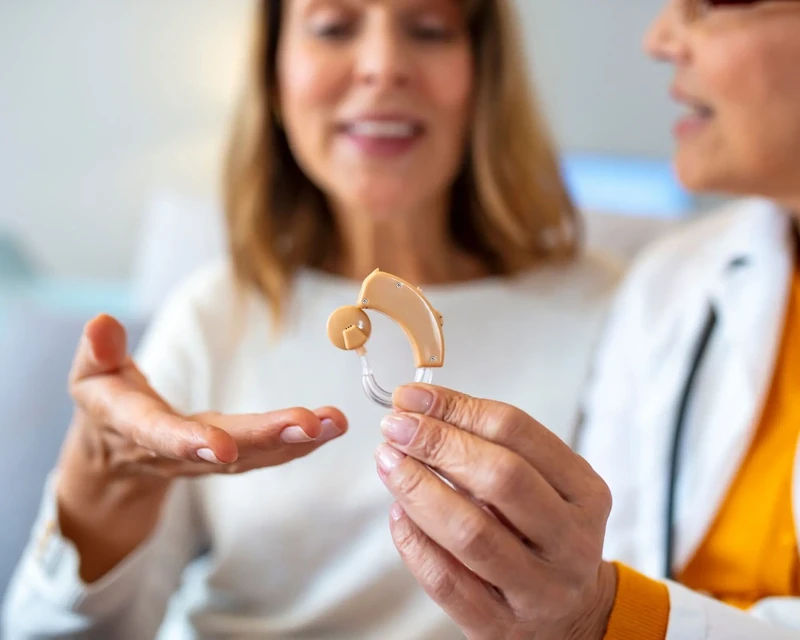
Hearing aids help people with hearing loss stay connected to the world around them, but they require regular cleaning and maintenance to work properly. As a caregiver, you may already be familiar with hearing aids and the care they need. Because hearing aids sit in or behind the ear, they are frequently exposed to moisture, earwax, and dirt, which can clog important components and affect their performance.
Regularly cleaning your loved one’s hearing aids can help maintain sound quality, improve comfort, and extend the life of the devices. Not sure where to start? El Dorado Hearing has put together these practical tips to help you clean your loved one’s hearing aids safely and effectively.
Why It’s Important to Clean Hearing Aids
People rely on their hearing aids to make conversations and everyday sounds easier to hear. With proper care, these devices can continue to provide reliable hearing support. However, because hearing aids are exposed to earwax, moisture, and dirt, debris can accumulate around the microphone ports, sound openings, and other components.
This buildup can reduce sound quality, block sound output, or cause the device to function intermittently. Over time, neglecting routine maintenance may also lead to damage and costly repairs. Regular cleaning helps keep hearing aids working properly, but it’s important to follow the manufacturer’s instructions to avoid damaging sensitive components.
Tools Needed to Clean Hearing Aids
Before cleaning your loved one’s hearing aids, gather the following supplies:
- Hearing aid cleaning brush: A soft-bristled brush helps remove earwax and debris from the hearing aid’s exterior, microphone ports, and sound openings. Use it gently and follow the manufacturer’s guidance.
- Wax pick or wax loop: Some hearing aids come with a small tool designed to remove wax from accessible openings. Use it only as directed, and never push debris deeper into the device or insert the tool into areas that are not intended for cleaning.
- Hearing aid cleaning multi-tool: A multi-tool may combine a brush and wax loop in one convenient device, making routine cleaning easier.
- Soft, dry cloth: Use a clean cloth to wipe away surface moisture, oils, and dirt.
Avoid using household cleaners, alcohol, solvents, or excessive water on hearing aids unless the manufacturer specifically recommends them. These products can damage delicate components.
How to Clean Hearing Aids
The cleaning process varies depending on whether your loved one wears in-the-ear (ITE) or behind-the-ear (BTE) hearing aids. Always check the manufacturer’s instructions before cleaning, as designs and care requirements can differ.
How to Clean In-the-Ear (ITE) Hearing Aids
Follow these steps to clean in-the-ear hearing aids:
- Turn off the hearing aid and remove it from the ear. If the device uses disposable batteries, follow the manufacturer’s instructions for opening the battery compartment during cleaning.
- Use a soft hearing aid cleaning brush to gently remove earwax and debris from the exterior, microphone ports, and sound outlet.
- If wax remains around an accessible opening, use the manufacturer-approved wax pick or loop carefully. Do not push the tool deep into the opening or use it on delicate components unless instructed.
- Wipe the outside of the hearing aid with a soft, dry cloth to remove surface oils and moisture.
- Check the device for visible wax buildup or damage before using it again. Replace wax guards or filters according to the manufacturer’s instructions when necessary.
Never rinse an ITE hearing aid under running water or immerse it in liquid unless the manufacturer explicitly states that the device is designed for that type of cleaning.
How to Clean Behind-the-Ear (BTE) Hearing Aids
Behind-the-ear hearing aids have an external device that sits behind the ear and connects to an earmold or, in some models, a thin tube and dome. The cleaning process depends on the specific design.
- Turn off the hearing aid and remove it from the ear. Use a soft brush or dry cloth to remove debris from the device’s exterior and accessible microphone openings.
- If the hearing aid uses a detachable earmold, disconnect the earmold from the hearing aid before cleaning it. Never immerse the electronic hearing aid itself in water.
- For a detachable earmold that the manufacturer permits to be washed, clean it separately using mild soapy water. Rinse it thoroughly and ensure that it is completely dry before reconnecting it.
- If the earmold has tubing, remove any moisture from the tubing using an appropriate hearing aid air blower, if recommended by the manufacturer. Allow all washed components to dry completely before reassembly.
- Keep the electronic unit, microphone openings, battery compartment, and charging contacts dry. If your loved one’s device uses a thin tube and dome rather than a detachable earmold, follow the manufacturer’s specific cleaning instructions.
Do not soak an earmold while it is still attached to the hearing aid. If you are unsure how to detach or clean any component, ask your hearing care professional for a demonstration.
Contact El Dorado Hearing If You Notice a Problem
Keeping your loved one’s hearing aids clean can improve comfort, support reliable performance, and help them continue participating in conversations and everyday activities. Learning the correct cleaning techniques is an important part of maintaining the devices and potentially extending their useful life.
If you notice persistent whistling, reduced sound output, intermittent performance, visible damage, or other problems during cleaning, contact the experienced team at El Dorado Hearing. We can help determine whether the devices need professional cleaning, adjustment, or repair. Regular maintenance and professional support can help your loved one get the most out of their hearing aids.