
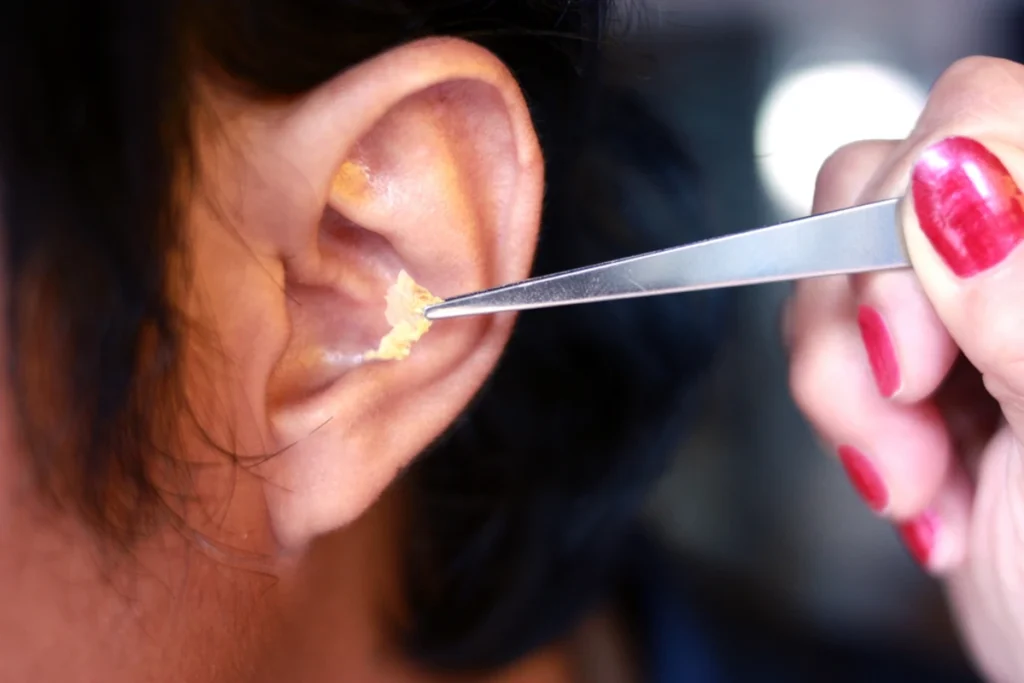
Earwax, scientifically referred to as cerumen, is an intriguing yet widely misunderstood substance that is vital to the health of our ears. While it can make some people cringe and spark fascination in others, there are a few key details that everybody needs to know in order to sustain optimal ear health. In our blog, “Unlocking the Mystery of Earwax: What You Need to Know,” we explain what earwax does, how it’s made, and why it can occasionally cause issues like hearing loss or discomfort. To deliver the most up-to-date and scientifically backed information, our expert audiologists at El Dorado Hearing explain the science of earwax while offering helpful insights. Additionally, we discuss safe removal techniques, debunk popular myths (Q-tips, anyone?), and provide advice on how to maintain ideal ear hygiene.
Whether you’re here because you are intrigued by earwax and are eager to learn more about it, or you’re here to seek a solution to an earwax-related problem, our blog has it all. Join us as we open a friendly discussion on earwax and provide you with the necessary information to properly take care of your ears.
Earwax: Its Purpose, Production, and Problems
For those who know nothing about the scientific purpose of earwax, it may appear unseemly. However, it serves several vital purposes:
- Protection Our eardrum is a thin, delicate membrane that separates the outer ear from the middle ear and helps us hear. With that being said, the eardrum is an extremely important part of our bodies and needs to be protected. Earwax acts as a natural barrier against external substances that might enter the ear, such as dust, dirt, sand, or foreign particles. As an aside, if you use hearing aids, or think you might need to, it’s important to keep in mind that some hearing aids are better than others for different needs, and El Dorado Hearing is a great place to seek information.
- Antibacterial and Antifungal Properties Antimicrobials are agents that can kill microorganisms and/or stop their growth. Earwax naturally has antimicrobial properties, helping protect the ear canal from bacterial and fungal infections.
- Cleaning While earwax can become visible from the outside if it builds up enough, it starts out in the ear canal. As it travels from the inside to the outside, it carries debris that needs to be removed to help keep the ear canal healthy. This self-cleaning mechanism once again exemplifies our body’s extraordinary abilities.
Now that you know the extraordinary functions of earwax, let’s dive into how it is produced. Simply put, it is made by specialized glands in the ear canal. These glands produce cerumen, the waxy substance that we call earwax. For the wax to soften and move out of the canal toward the outer ear, carrying debris with it and functioning as part of the ear’s self-cleaning process, it mixes with an oily substance called sebum, which is also produced by glands in the skin. Once it is soft enough, it gradually moves from the ear canal toward the outer ear through jaw movements, such as talking, eating, and chewing.
Although earwax serves an important purpose and is made by specialized glands, it does have the potential to cause problems. Sometimes, the glands produce too much earwax, which can harden and block the ear canal. There are multiple reasons why this buildup can happen, including:
- Naturally Sometimes, our glands produce excess earwax, and you simply end up with a blockage. If you’re unsure whether this is happening to you, pay closer attention to your hearing abilities. This five-minute quiz will give you a good idea of whether your hearing may need further assessment.
- Aggressive Removal We’ve all heard it before: don’t clean your ears with a Q-tip! The reason is that inserting foreign objects into your ears can push earwax farther into the ear canal instead of clearing it out. Avoid inserting anything into your ear that could work against your intention of cleaning it. Another well-known removal technique is ear candling, which involves using a lit candle in an attempt to create suction and remove wax. However, there is no reliable scientific evidence that this method works, and it can cause burns or other injuries, so it is safer to avoid it.
- Earbuds With frequent earbud use, you may find yourself with a blocked ear canal. Like using a Q-tip, earbuds can push earwax farther into the canal. Repeated use without allowing the ears to clear naturally may increase the likelihood of a blockage. One possible alternative is switching to headphones that sit outside the ears.
If you want to gently clean your ears at home, first note that most people do not need to clean their ear canals and can rely on the ears’ self-cleaning mechanism mentioned above. A shower is typically sufficient for washing away excess wax that reaches the outer ear. If you are experiencing excess buildup, it’s important to contact your physician and get professional help. However, if your earwax buildup is not severe and you have no conditions that make home treatment unsafe, there are methods that may help soften and remove it. These include:
- Softening Drops Over-the-counter ear drops may contain ingredients such as hydrogen peroxide or other substances that help soften earwax so it can move toward the outer ear. Ask your physician which product is appropriate for you and how many drops to use. Avoid using ear drops if you have a perforated eardrum, ear tubes, or certain ear conditions unless advised by a healthcare professional.
- Irrigation This means gently rinsing the ear with water or saline solution using a bulb syringe. Be sure the water is close to body temperature to avoid dizziness, and ask your physician to show you how to do this safely and effectively. Ear irrigation is not suitable for everyone, particularly people with a perforated eardrum, ear tubes, a history of ear surgery, or an active ear infection. For more tips, read El Dorado’s information on how to irrigate your ear.
Even if you still feel uneasy about the topic of earwax, you can’t deny that it’s an amazing part of the human body with an extremely important role. Not only does it protect our ears and help protect our hearing, but it also has antimicrobial properties that help keep infections at bay and is part of the ear’s natural self-cleaning system! While this is extraordinary, anything in excess can become a problem, including earwax. If you notice signs of reduced or obstructed hearing, a buildup of earwax may be the culprit. Remember that trying to clean out the wax by inserting objects into your ear can work against you and cause an even bigger blockage. The best strategy is to contact your physician or use a gentle approach recommended by a healthcare professional if the buildup is not severe. If you’re unsure whether you have a buildup of earwax and want help with your ear health, please do not hesitate to visit El Dorado Hearing to speak with a professional today.